
If you are drawn to exposed brick, tall ceilings, and the energy of one of Philadelphia’s most historic neighborhoods, Old City loft living can feel like the perfect fit. But buying a loft here is not just about style. You also need to understand how historic status, condo rules, and building maintenance can shape your day-to-day ownership experience. This guide will help you look past the finishes and ask smarter questions before you buy. Let’s dive in.
Why Old City lofts stand out
Old City sits in the heart of Philadelphia’s Historic District, centered around 5th and Arch streets. The neighborhood blends major historic attractions with restaurants, galleries, and access to the Delaware River waterfront. It also benefits from district-level support that supplements city services with maintenance, public safety, economic development, and promotional programs.
That setting gives Old City a mix of character and convenience that is hard to copy elsewhere in Center City. For buyers, it often means you can enjoy a neighborhood with strong identity while staying close to daily essentials, dining, and cultural destinations.
What defines a loft in Old City
Many Old City lofts were created from former commercial and warehouse buildings rather than built as new apartments. Historic district materials describe many of these buildings as three- and four-story brick commercial warehouses on long, narrow lots. That history helps explain why loft layouts can feel open, deep, and less predictable than newer condo buildings.
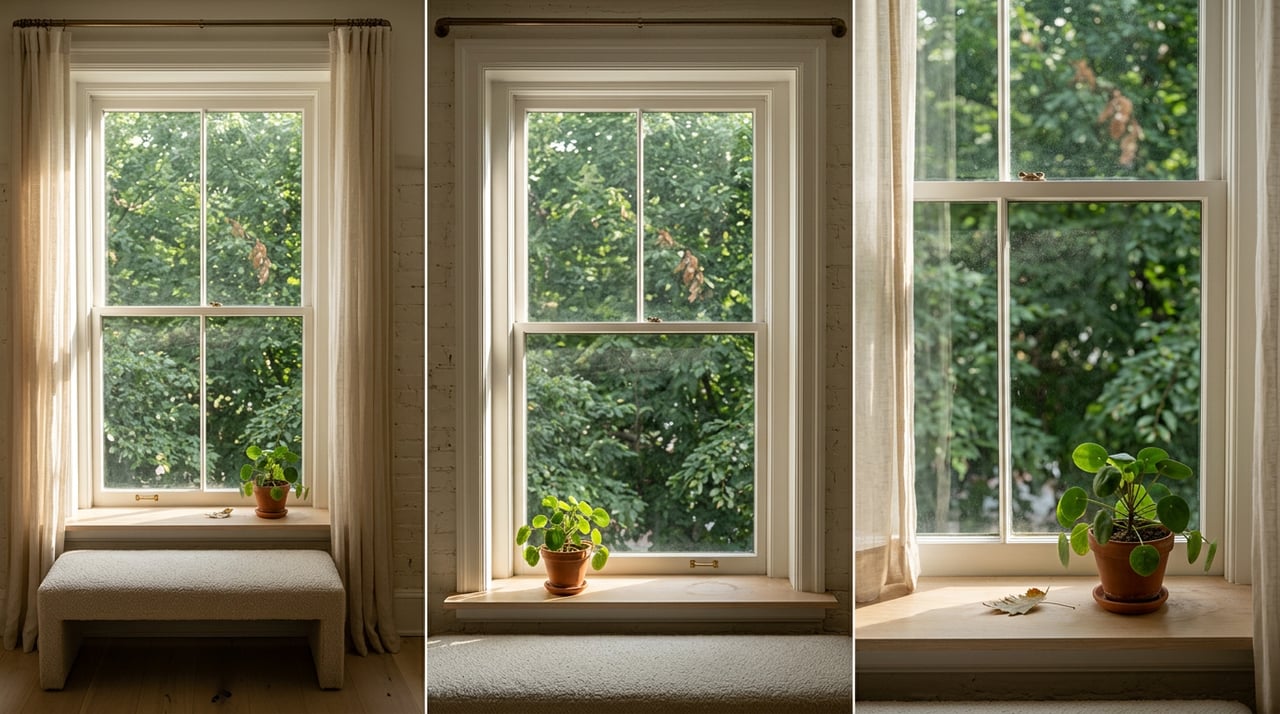
In practical terms, you may find features like exposed brick, timber beams, tall ceilings, and large industrial-style or arched windows. Some buildings also offer amenities like elevator service or pet-friendly policies, but those features vary by building. The key takeaway is that Old City loft inventory is often defined more by architecture and conversion history than by a standard condo template.
Character comes with complexity
Old City lofts often appeal to buyers who want original materials and a sense of place. At the same time, older buildings can bring more moving parts than a newer condo community. The tradeoff is usually simple: more character often means more building-specific rules, more maintenance questions, and more due diligence.
That does not make Old City lofts harder to love. It just means your buying decision should include the building itself, not only the unit you walk through during a showing.
Historic status matters before you renovate
One of the most important things to confirm is whether a loft building is individually listed on the Philadelphia Register of Historic Places or located within a local historic district. If it is, changes to the exterior generally require approval from the Philadelphia Historical Commission. This can apply to common requests like replacing doors or windows, reroofing, adding security features, or building additions.
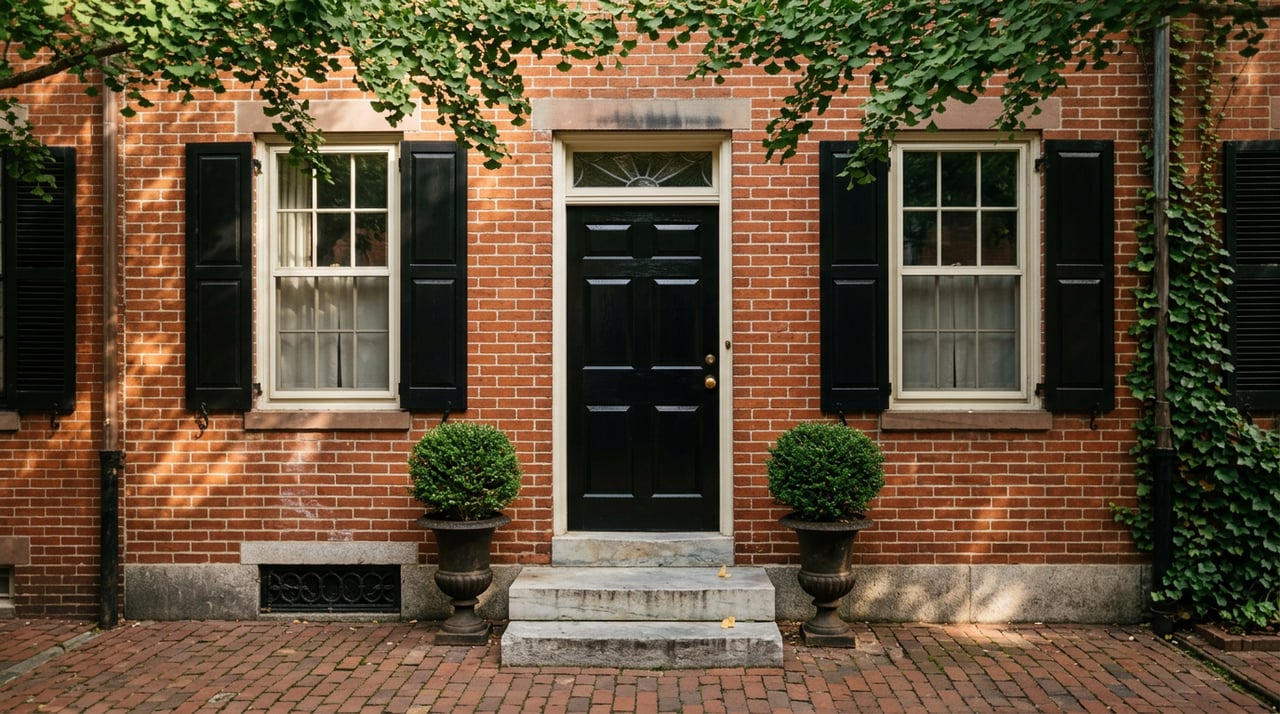
In Old City, exterior review can also extend to work on the back, sides, or roof when the appearance is affected. According to the city’s historic guidance, items like window replacement, masonry repointing, or painting façades may require review. That means a project that seems minor at first glance may involve a more detailed approval process.
Why address-specific research is important
You should never assume a building is or is not subject to historic review based on looks alone. The Historical Commission advises buyers and owners to verify the official address and use the city’s property search tools when checking status. In a neighborhood like Old City, that address-level detail matters.
For buyers, this affects future flexibility. If you hope to make changes after closing, understanding the building’s historic status early can help you avoid surprises later.
Condo documents deserve serious attention
Many Old City loft purchases are condominium purchases, so the condo documents matter just as much as the kitchen, windows, or floor plan. Under Pennsylvania law, the association is generally responsible for maintenance, repair, and replacement of common elements, while each owner is responsible for the unit unless the declaration says otherwise. The bylaws also define how the board is structured and how the association operates.
That legal framework is especially important in older loft conversions. In a converted warehouse building, the line between a unit issue and a shared building issue may not feel obvious. Windows, roofs, masonry, elevators, balconies, and shared systems can become major points of confusion if you do not review the documents carefully.
What to review in the association package
Before you move forward, ask to review the association’s key documents and recent financial information. The goal is to understand not only the rules, but also how the building is being maintained and funded.
Focus on these items:
- Declaration and bylaws
- House rules
- Current budget
- Recent or pending capital expenditures
- Special assessment history
- Reserve contribution information
Pennsylvania law requires the executive board to provide approved budgets and notice of approved capital expenditures to unit owners. For a buyer, those records can offer a useful window into the building’s financial planning and repair priorities.
Ask who handles what
In older condo conversions, responsibility for repairs is one of the most important details to clarify. Do not assume the association handles every exterior component, and do not assume every issue inside the walls belongs to the owner. The governing documents may assign responsibilities differently than you expect.
As you review a loft purchase, confirm who is responsible for:
- Roofs
- Windows
- Masonry
- Balconies
- Elevators
- Shared HVAC or mechanical systems
- Fire alarm or sprinkler systems
Getting clear answers here can help you better estimate future costs and avoid frustration after closing.
Maintenance questions every loft buyer should ask
Old buildings reward careful upkeep. The Old City historic manual emphasizes a preservation-first approach, noting that regular maintenance is better than repairs, repairs are better than replacement, and replacement in kind is better than altering original features. It also notes that older buildings often present unique and unpredictable situations.
That is why practical building questions matter so much. A beautiful loft can still have expensive issues if key building systems have been deferred for too long.
Ask questions like these during your due diligence:
- How old is the roof?
- When were the windows last replaced or restored?
- Has the masonry been repointed?
- Is there any history of water intrusion or moisture-related repairs?
- Has the elevator been modernized?
- Have HVAC, fire alarm, or sprinkler systems been updated?
The Old City manual specifically identifies water infiltration and weathering as common threats to historic storefronts and façades. It also points to windows, masonry, and roofing as recurring maintenance concerns, which makes these questions especially relevant in Old City.
How Old City compares to newer condos
If you are deciding between an Old City loft and a newer condo elsewhere in Philadelphia, the biggest difference is usually predictability. Newer condo buildings often offer more standardized layouts, systems, and ownership expectations. Old City lofts tend to offer more one-of-a-kind space, but also more variation from building to building.
For some buyers, that variation is exactly the appeal. If you value original materials, historic context, and architecture with personality, an Old City loft may be worth the extra homework. If you prefer a more uniform ownership experience, a newer condo building may feel more straightforward.
A smart buying approach for Old City lofts
The best way to buy confidently in Old City is to combine emotion with structure. It is fine to fall in love with a loft’s brick walls and oversized windows, but your decision should also be grounded in the building’s documents, maintenance history, and historic status.
A thoughtful review process can help you understand whether a loft fits your lifestyle, renovation plans, and comfort level with an older building. In a neighborhood like Old City, that kind of clarity can make all the difference.
If you are thinking about buying a loft in Old City, working with a team that understands Center City building types, condo review, and neighborhood-specific considerations can help you stay organized and confident from search to closing. When you are ready to explore your options, connect with The Josh Allen Team.
FAQs
What makes Old City lofts different from newer condos in Philadelphia?
- Old City lofts are often located in converted warehouse or commercial buildings, which can create more distinctive layouts, historic architectural details, and building-specific ownership considerations than newer condo developments.
What should you check before buying an Old City loft?
- You should confirm the building’s historic status, review condo documents and budgets, ask about repair responsibilities, and look into maintenance history for windows, masonry, roofing, and shared systems.
Do historic rules affect Old City loft owners in Philadelphia?
- Yes. If a property is individually listed or located in a local historic district, exterior changes generally require Philadelphia Historical Commission approval, and even work affecting the back, sides, or roof may require review.
Why are condo documents important for Old City loft buyers?
- Condo documents explain who maintains common elements, what owners are responsible for inside their units, how the board operates, and whether there are rules related to renovations, pets, rentals, or occupancy.
What maintenance issues are common in historic Old City buildings?
- Buyers should pay close attention to water intrusion, weathering, windows, masonry, roofing, elevators, and shared building systems, since older buildings can require more specialized maintenance and repair planning.
Is Old City loft living a good fit for every buyer?
- Not always. Old City loft living can be a great fit if you value architectural character and historic context, but buyers who want the most predictable and standardized condo experience may prefer a newer building.