Wondering if buying a condo in Northern Liberties is the right move for you? If you love the idea of walkable city living, easy transit access, and a home that feels a little more modern or loft-inspired than traditional Center City housing, this neighborhood deserves a close look. The key is knowing how to evaluate not just the unit, but also the building, the monthly costs, and the resale picture before you commit. Let’s dive in.
Why Northern Liberties Stands Out
Northern Liberties sits between Callowhill Street and Girard Avenue, from Front and Laurel west to Sixth Street, according to the Northern Liberties Neighbors Association. It has roots as a former manufacturing area, and that history still shapes the housing you’ll see today.
Instead of one dominant condo style, you’ll usually find a mix of converted industrial buildings, boutique loft properties, garden-style communities, and newer mixed-use developments. That variety gives you options, but it also means no two buildings feel exactly alike.
For many buyers, the lifestyle is a big part of the draw. Visit Philadelphia describes the area as walkable and full of restaurants, breweries, cafes, retail, nightlife, and gallery-style local character. You also get access to Liberty Lands, a two-acre community greenspace with a playground, garden, picnic area, composting, and events.
What the Condo Market Looks Like
As of late May 2026, Redfin showed 23 condos for sale in Northern Liberties, with a median listing price of $407,000 and median market time of 68 days. Broader neighborhood numbers vary by source, but the consistent takeaway is that buyers have inventory to compare rather than needing to jump at the first option.
That matters in a condo search. When you have choices, you can look beyond finishes and square footage and compare dues, amenities, reserves, tax treatment, and building condition more carefully.
In practical terms, Northern Liberties can reward patient buyers. A building with attractive design may not be the best fit if the fees are high, the reserves are thin, or the financing picture is complicated.
What Types of Condos You’ll See
Converted loft buildings
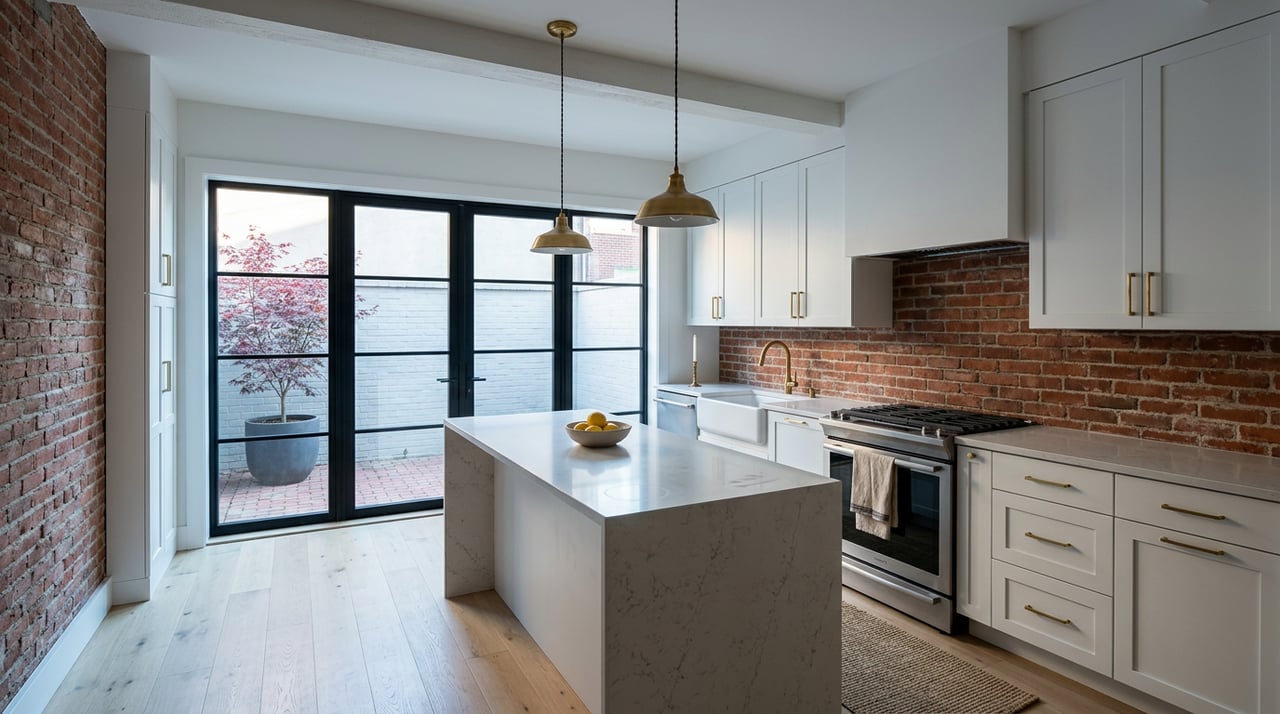
Northern Liberties is known for warehouse and factory conversions. These homes may feature exposed brick, high ceilings, larger windows, and layouts with a more industrial feel.
That style can be a major plus if you want character and something different from a standard newer condo. At the same time, converted buildings can have very different maintenance needs and association structures than newer construction, so building-level review matters.
Newer mixed-use projects
You’ll also find newer developments with street-level retail and more contemporary interiors. These buildings may appeal to buyers who want a cleaner, more modern layout and a lower-maintenance feel.
Some buyers prefer this option because the common areas, systems, and design tend to feel more current. Still, newer does not always mean lower monthly cost, especially if the amenity package is extensive.
Boutique and garden-style communities
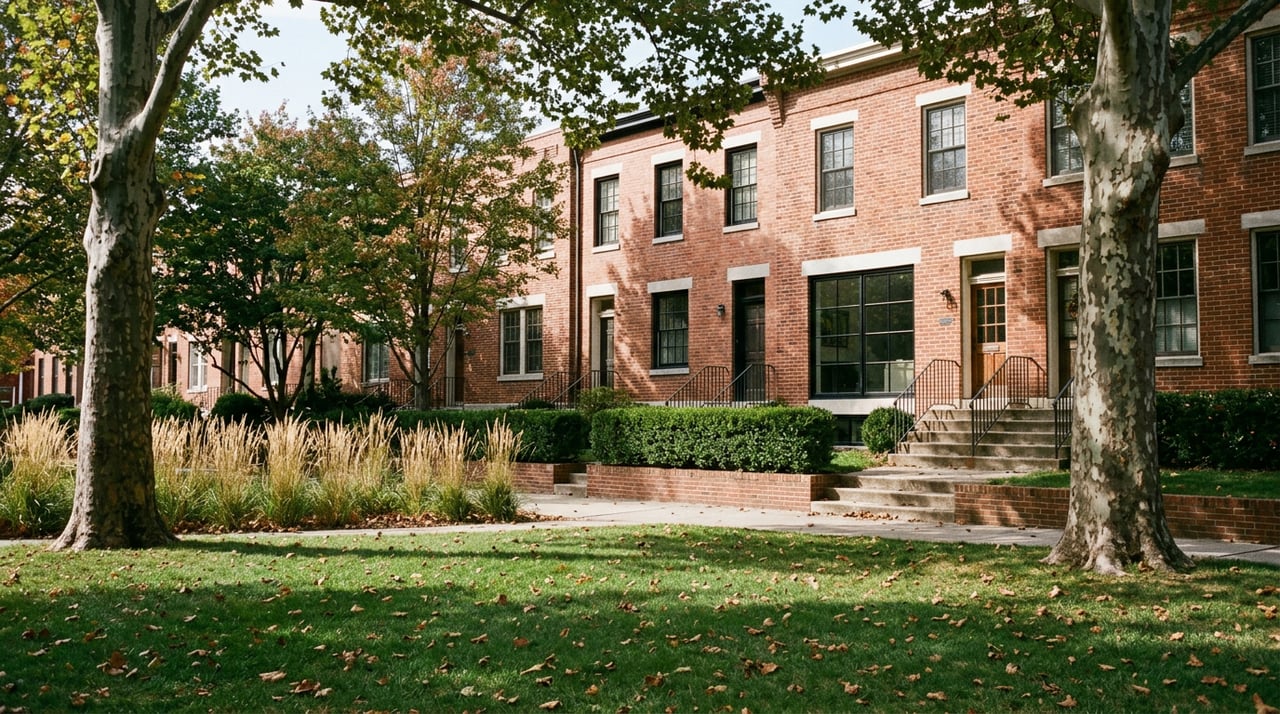
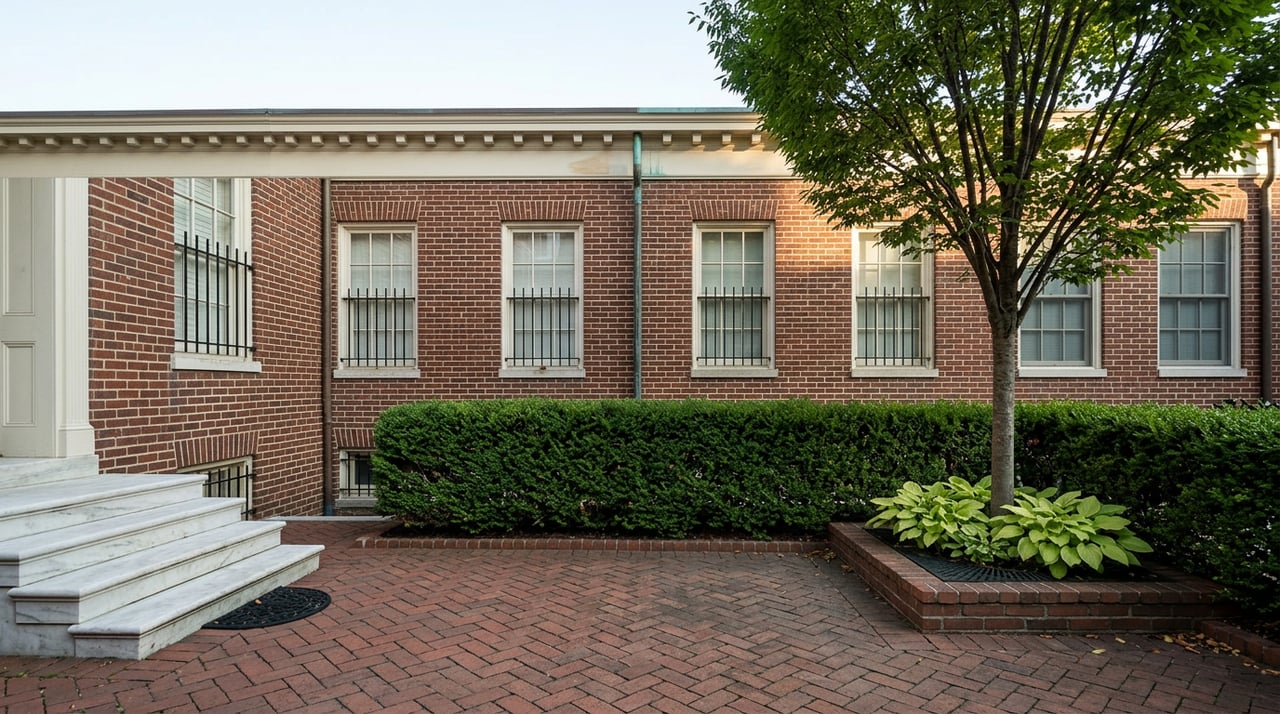
Northern Liberties also includes smaller condo communities and historically preserved properties. Examples in the neighborhood show that features can include gated entries, courtyards, parking, bike parking, private entrances, or controlled access.
Those features are not universal, but they show the range you may encounter while touring. This is one reason buyers in Northern Liberties should compare buildings as carefully as they compare units.
Why Monthly Cost Matters More Than List Price
A condo that looks affordable on paper can feel very different once you add the full monthly cost. This is one of the most important things to understand before buying in Northern Liberties.
Your true monthly payment may include:
- Principal and interest
- Property taxes
- Homeowners insurance
- Flood insurance, if required
- Condo or HOA dues
- Utilities or maintenance costs not covered by the association
Condo dues are especially important. They are typically paid directly to the association, not rolled into your mortgage payment, and they can range from a few hundred dollars a month to more than $1,000 a month depending on the building and amenities.
For first-time buyers, this is often the biggest budget surprise. A lower purchase price does not always mean a lower cost of ownership.
Philadelphia Taxes and Closing Costs to Know
Real estate tax
Philadelphia’s 2025 real estate tax rate is 1.3998 percent, and taxes are due by March 31 each year. If the condo will be your primary residence, the City’s Homestead Exemption reduces the taxable portion by $100,000, which can save most homeowners up to $1,399 per year starting in 2025.
There is one important catch. If a property has a 10-year residential tax abatement, it is not eligible for the Homestead Exemption until the abatement expires.
Tax abatement timing
This issue comes up often in neighborhoods with newer construction and major rehabs, including Northern Liberties. If a condo has an active tax abatement, make sure you know when it ends.
A unit can look very affordable during the abatement period, then become much more expensive once the full tax bill kicks in. Before you buy, confirm whether the abatement is active, how long it lasts, and what the expected taxes may look like afterward.
Realty transfer tax
Philadelphia’s Realty Transfer Tax is a major closing-cost item. For transfers after July 1, 2025, the total rate is 4.578 percent, and it is due when the deed is recorded, with up to 30 days to pay after purchase.
That tax sits on top of standard closing costs, so it needs to be part of your planning from the start. If you are building a budget, this is not a small line item to overlook.
How to Review the Condo Association
When you buy a condo, you are buying into both a home and a shared financial structure. In Pennsylvania, the Uniform Condominium Act requires associations to adopt budgets at least annually, and resale documents must disclose the monthly common expense assessment and any unpaid common expense or special assessment currently due from the seller.
That makes the paperwork very important. These documents are not just formalities for your file. They help you understand what the building collects, what it spends, and what financial issues may become your issue after closing.
Documents worth reviewing
Before you move forward, ask to review:
- Declaration and bylaws
- Rules and regulations
- Current operating budget
- Financial statements
- Reserve study, if available
- Meeting minutes
- Master insurance information
- Resale certificate
- Any planned or recently approved special assessments
Meeting minutes can be especially helpful because they may show recurring maintenance concerns or upcoming projects. A resale certificate can also alert you to unpaid assessments tied to the seller.
Financing Issues Condo Buyers Should Watch
Not every condo building is equally easy to finance. Lenders look at the health of the project, not just your income and the unit itself.
Fannie Mae guidance says that no more than 15 percent of units may be 60 days or more past due on common expense assessments, and no more than 15 percent may be 60 days or more past due on special assessments. It also says project budgets should fund replacement reserves at at least 10 percent of budgeted assessment income.
Freddie Mac also requires reserve funding standards and does not allow special assessments to replace that 10 percent reserve allocation. In simple terms, buildings with weak reserves, repeated special assessments, or too many delinquent owners can create financing problems.
That can affect you in two ways:
- It may limit your loan options now
- It may make the unit harder to resell later
A beautiful condo in a poorly run building can become an expensive problem. A well-managed building with clear records and stable finances is often the safer long-term choice.
Transit, Access, and Daily Lifestyle
Northern Liberties works well for buyers who want city convenience without needing to rely on a car for every errand. SEPTA service includes the Spring Garden and Front-Girard stops on the Market-Frankford Line, along with Routes 5, 15, 25, 43, and 57.
That level of access supports the neighborhood’s appeal for buyers who value commuting flexibility and easy movement around Philadelphia. It also adds to the day-to-day convenience that many condo buyers are looking for.
Just as important, the neighborhood offers a street-level lifestyle that feels active and connected. If your ideal home base includes nearby dining, casual retail, greenspace, and a less formal urban feel, Northern Liberties often checks those boxes.
Who Northern Liberties Fits Best
Northern Liberties is often a strong fit if you want:
- A walkable neighborhood
- Easy public transit access
- Condo options with loft or industrial-modern character
- Mixed-use surroundings with retail and dining nearby
- A lively atmosphere with strong neighborhood energy
It may be a less natural fit if your main goal is the lowest possible carrying cost. Between condo dues, city real estate taxes, transfer tax, insurance, and possible special assessments, the all-in ownership cost can rise quickly.
That does not mean the neighborhood is overpriced. It means the smartest buyers focus on total cost and building quality, not just the asking price.
Smart Questions to Ask Before You Buy
As you compare condos in Northern Liberties, try asking these questions early:
- What are the monthly condo dues, and what do they cover?
- Is there a tax abatement, and when does it expire?
- Are there any current or planned special assessments?
- How much does the association hold in reserves?
- Have there been recent issues with maintenance or repairs?
- Are many owners behind on their dues?
- What is included in the master insurance policy?
- If flood insurance may apply, what should I budget for?
These questions can save you from expensive surprises later. They also help you compare one building against another in a more realistic way.
Bottom Line for Northern Liberties Condo Buyers
Buying a condo in Northern Liberties can be a great move if you want a home that matches the neighborhood’s mix of character, convenience, and city energy. The opportunity is not just finding a great unit. It is finding a building with healthy finances, manageable fees, and a cost structure that still works for you over time.
If you take a careful, building-first approach, you can buy with more confidence and avoid the most common condo headaches. If you want experienced guidance as you compare Northern Liberties condos and weigh the real monthly cost of ownership, connect with The Josh Allen Team.
FAQs
What should you know about condo fees in Northern Liberties?
- Condo fees should be treated as a core monthly housing cost, and they are usually paid directly to the association rather than included in your mortgage payment.
What should you ask about a Northern Liberties condo tax abatement?
- Ask whether the abatement is active, when it expires, and what the property taxes may look like after it ends.
What documents matter when buying a condo in Northern Liberties?
- Key documents include the declaration, bylaws, rules, budget, financial statements, meeting minutes, resale certificate, reserve study if available, and master insurance information.
What financing issues can affect a Northern Liberties condo purchase?
- Lenders may look closely at reserve funding, owner delinquency rates, and special assessments, so a building’s financial health can affect both financing and resale.
What makes Northern Liberties appealing for condo buyers in Philadelphia?
- Many buyers are drawn to the neighborhood’s walkability, transit access, mixed-use setting, greenspace, and variety of loft-style and newer condo options.