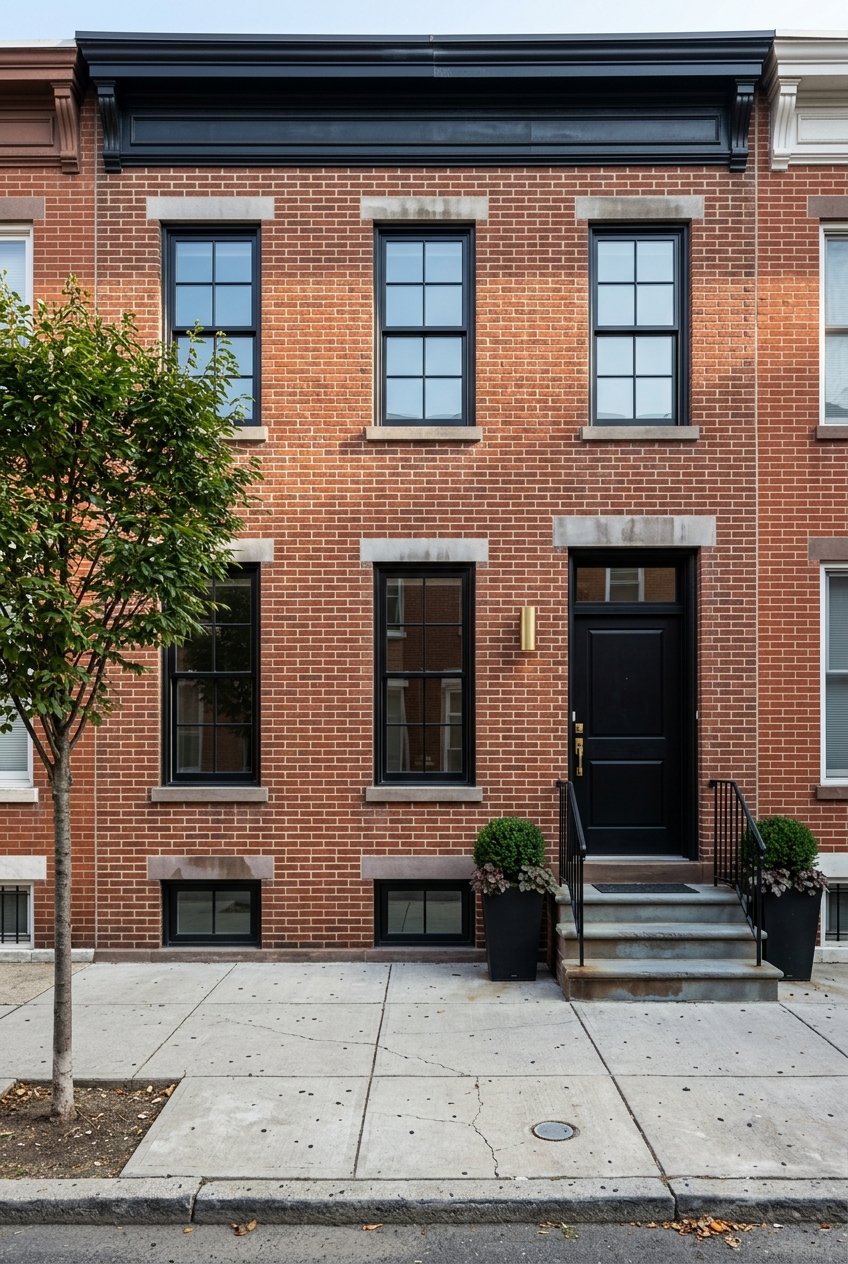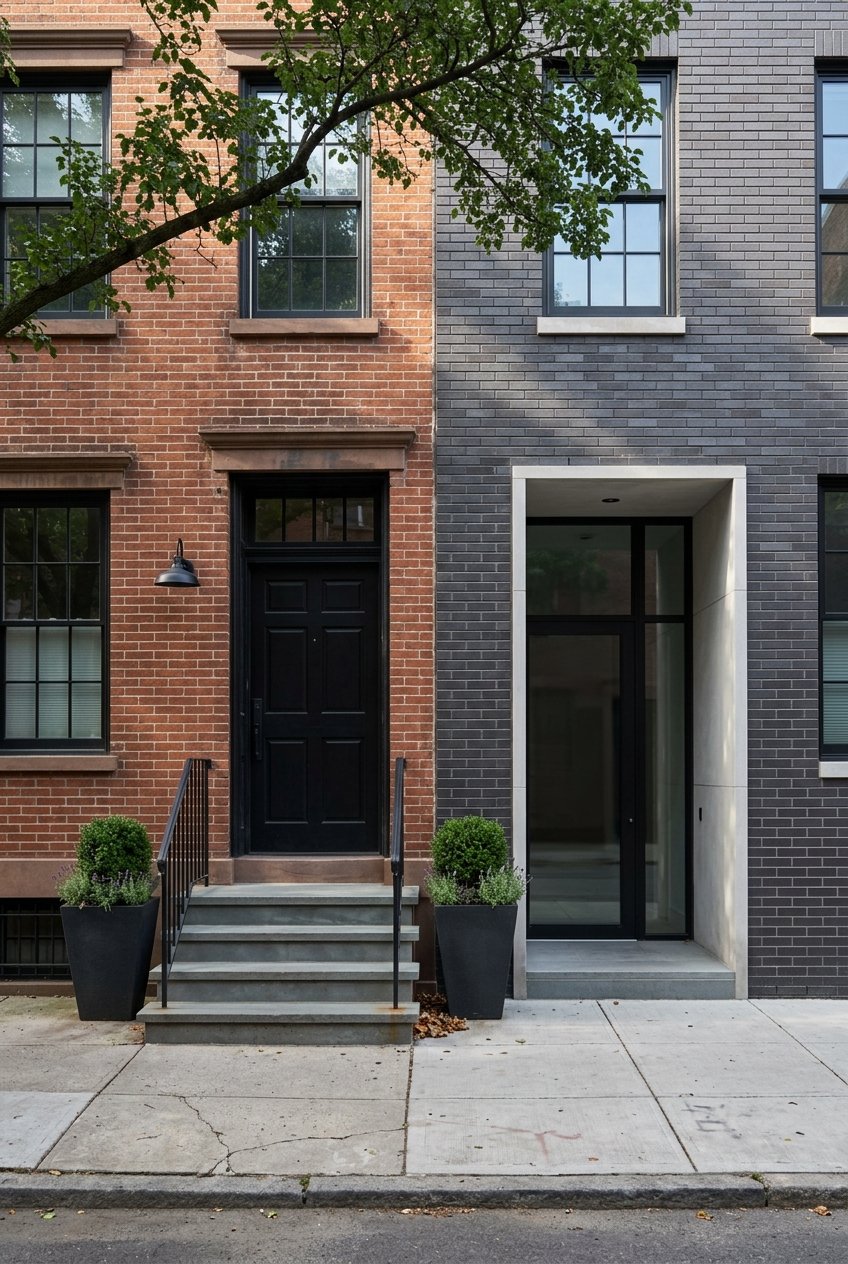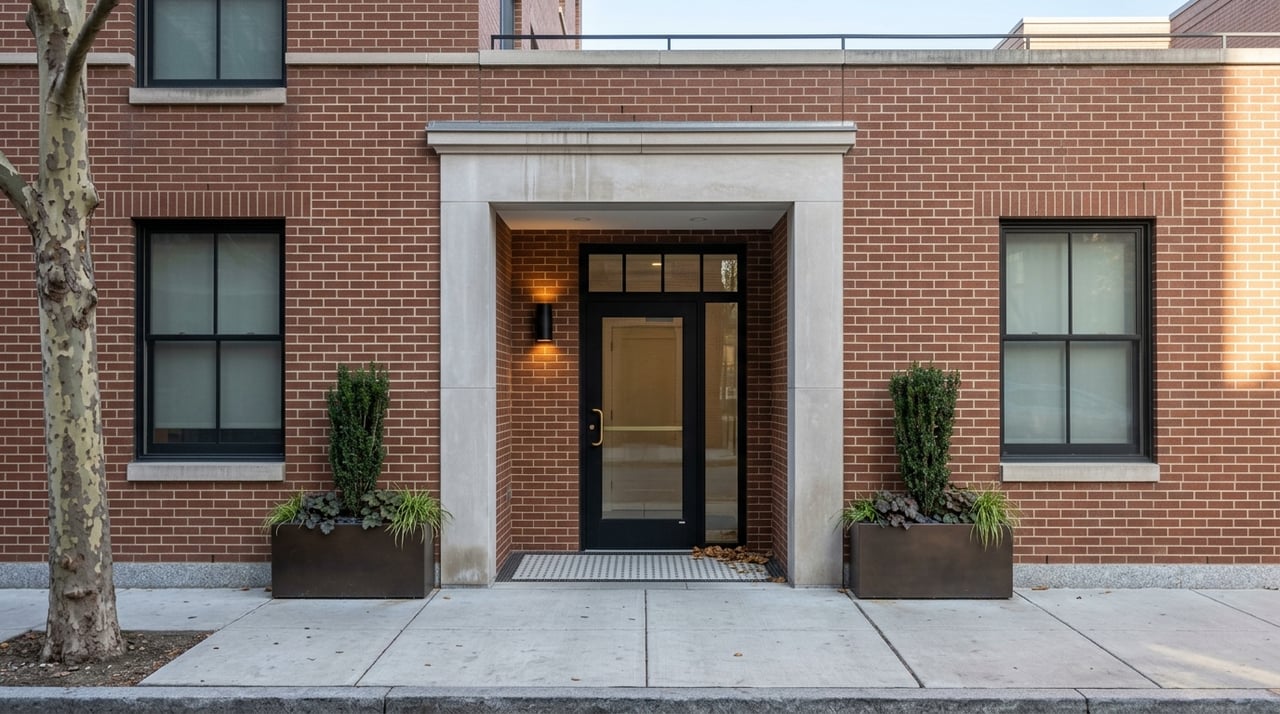
Wondering what daily life really feels like in a Passyunk Square rowhome? For many buyers, the appeal starts with the block itself: brick facades, familiar corners, and a routine that can happen largely on foot. If you are trying to picture the tradeoffs and perks of living here, this guide will help you understand how Passyunk Square blends compact rowhome living with parks, transit, and a strong neighborhood rhythm. Let’s dive in.
Passyunk Square feels block-centered
Passyunk Square is generally defined by Broad Street to 6th Street and Washington Avenue to Tasker Street. The neighborhood identity is shaped not just by East Passyunk Avenue, but by residential blocks, shared public spaces, and a visible sense of local stewardship.
That shows up in everyday ways. The Passyunk Square Civic Association highlights volunteer cleanup days, tree plantings, and more than 1,000 trees planted across the neighborhood. If you live here, daily life can feel connected to the block outside your front door, not just your own home.
Public art and gardens also add to that rhythm. The neighborhood includes mural arts projects and community gardens, which help make the area feel lived-in and cared for. It is a reminder that Passyunk Square is more than a dining destination.
Parks shape everyday routines
One of the biggest lifestyle advantages here is how many outdoor spaces are woven into the neighborhood. Within Passyunk Square, the civic association points to Columbus Square Park, Gold Star Park, Capitolo Playground, and Paolone Park.
That matters because rowhome living is compact by design. Having nearby parks gives you places to walk, sit, meet neighbors, or simply break up the day without needing a car. In a dense neighborhood, that kind of access can make a big difference in how your week feels.
These spaces also support the social side of the neighborhood. When parks, gardens, and tree-lined blocks are part of your normal routine, you tend to experience the area as a community rather than just a collection of houses.
East Passyunk adds daily convenience
East Passyunk Avenue plays a big role in everyday life, but not only because of restaurants. According to the East Passyunk Avenue business district, the corridor includes more than 50 shops and boutiques, most of them small and locally owned, along with a wide range of food and drink options.
Just as important, the avenue supports practical errands. Everyday services on or near the corridor include dry cleaning, childcare, salons, gyms, doctors, and lawyers. That means your day-to-day routine can stay close to home, whether you are grabbing dinner, fitting in a workout, or checking off errands.
The avenue also works as a neighborhood gathering place. PARC describes East Passyunk as a walkable shopping and dining corridor and points to the Singing Fountain as an important public space. In practice, that gives the neighborhood a center of gravity where daily convenience and casual social life overlap.
Transit supports car-light living
If you want a neighborhood where you can rely less on a car, Passyunk Square makes a strong case. SEPTA says East Passyunk is served by the B at Tasker-Morris, Ellsworth-Federal, and Snyder, along with bus routes 4, 45, 29, 2, 37, 47, and 47M.
SEPTA also notes that East Passyunk Avenue sits just 1 to 5 blocks from three subway stations. The B connects to Regional Rail, the L, the T, and PATCO, which helps support commuting and cross-city travel without much driving.
There is also a recent accessibility improvement worth noting. SEPTA completed ADA upgrades at Tasker-Morris in October 2025, adding two elevators and other station improvements. The agency says the station serves about 3,000 riders daily, which shows how central transit is to the neighborhood’s routine.
What rowhome living feels like inside
Philadelphia rowhomes have a distinct layout, and it helps to know what that means before you buy. The City of Philadelphia’s Rowhouse Manual defines a rowhouse as a one- to four-story home with a narrow street frontage and attached homes on both sides.
That design comes with real strengths. The manual describes rowhouses as space-efficient, cost-effective, and community-enhancing, while also noting that they can be energy-efficient places to live. In Passyunk Square, that often translates to a home that feels practical, urban, and closely tied to the street.
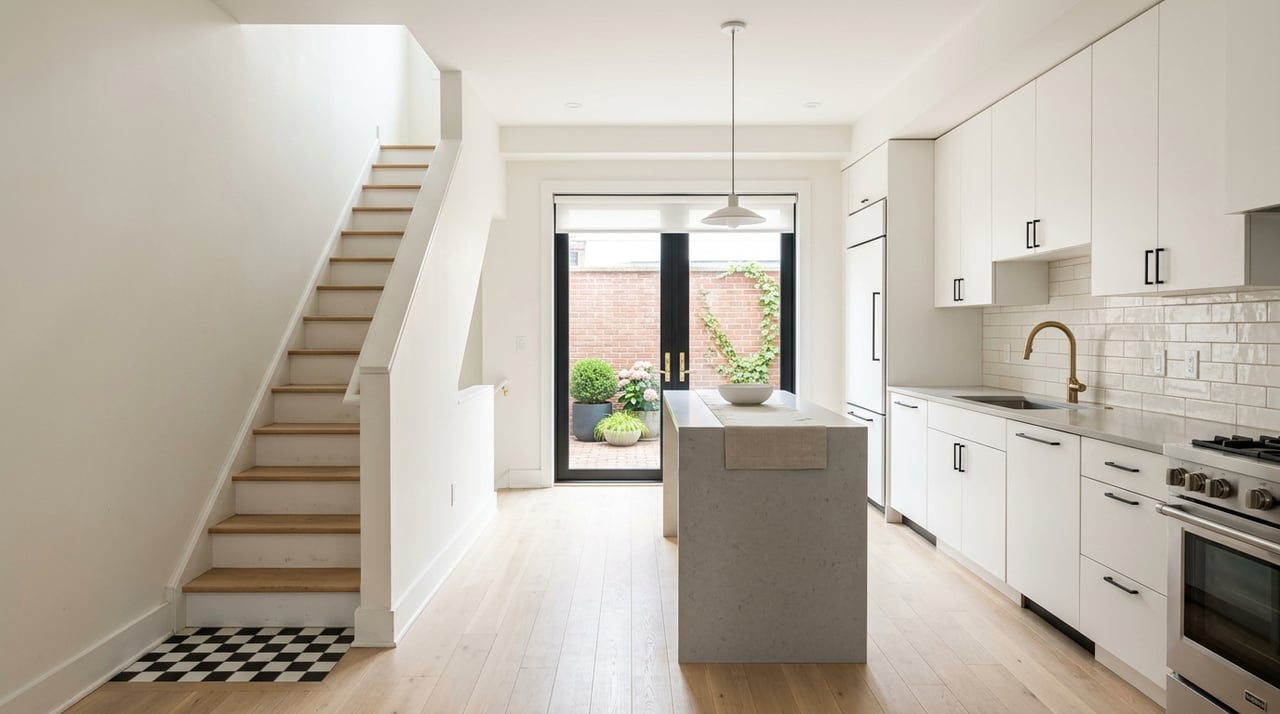
Inside, older rowhomes may offer taller first-floor ceilings and better air circulation. The Rowhouse Manual also notes that many have more public rooms on the main level, while kitchens are often located in rear additions or, in smaller homes, the basement.
That layout can shape how you use the space every day. Some homes work well as an eat-in kitchen plus dining area, while other rooms may flex into office, reading, or guest space depending on your needs. In a rowhome, function often comes from thoughtful use of every floor rather than from sheer square footage.
The main tradeoffs are space and stairs
A realistic picture of Passyunk Square rowhome living should include the tradeoffs. These homes are usually vertical, not sprawling, and the Rowhouse Manual notes that staircases are often steep and cramped.
The same source points out that long, narrow homes can feel darker in the center and on lower levels. That is why lighting, furniture scale, and storage matter so much in rowhome design. A home can live very well, but the layout rewards careful planning.
For many buyers, this is the core question: will the house feel cramped? The answer depends on your expectations. If you want wide-open suburban space, a traditional rowhome may feel tighter. If you value walkability, character, and efficient use of space, the tradeoff may feel well worth it.
Outdoor space is smaller but still meaningful
Most rowhomes do not come with broad lawns, and that is part of the urban format. Still, the Rowhouse Manual notes that rowhouses can leave room for trees, shrubs, window boxes, and small gardens.
In Passyunk Square, that fits naturally with the neighborhood’s tree-planting culture and community-minded streetscape. Even modest outdoor touches can soften the narrow-footprint feel of rowhome living and add character to a block.
This is one reason the neighborhood often feels warmer and more layered than buyers expect. Small frontages, planted tree pits, window boxes, and nearby parks all work together to create a more inviting daily environment.
Parking and car ownership require perspective
Parking is one of the most common questions in any dense Philadelphia neighborhood. The Rowhouse Manual notes that the city was designed long before automobiles, so curbside parking is inherently limited in this kind of street network.
That does not mean you cannot own a car here. It does mean you should go in with realistic expectations about street parking and think honestly about how often you drive.
For many residents, the neighborhood works best with a car-light mindset. Between the nearby subway stops, multiple bus routes, walkable errands, and the concentration of services on East Passyunk Avenue, many daily needs can be handled close to home.
Why Passyunk Square rowhomes stay appealing
The strongest case for Passyunk Square rowhomes is not one single feature. It is how the pieces fit together: compact homes, active blocks, useful parks, a well-known local corridor, and strong transit access.
That combination supports a lifestyle that feels efficient and social at the same time. You can step out for errands, spend time in a park, use transit for work or weekends, and still come home to a house with classic Philadelphia character.
For buyers who want a neighborhood with a real street-level rhythm, Passyunk Square offers a compelling version of city living. And for owners, that mix of convenience, identity, and housing character is a big part of what keeps demand steady.
If you are thinking about buying or selling in Passyunk Square, the right strategy starts with understanding how the home and the block work together. The Josh Allen Team offers calm, local guidance to help you evaluate fit, value, and next steps with confidence.
FAQs
What is daily life like in a Passyunk Square rowhome?
- Daily life often feels walkable, block-oriented, and connected to nearby parks, local businesses, and transit, with the main tradeoffs being compact space and stairs.
Can you live in Passyunk Square without a car?
- Many residents can manage a car-light lifestyle thanks to nearby B stations, multiple bus routes, and everyday services along East Passyunk Avenue.
What are Passyunk Square rowhomes like inside?
- Typical rowhomes are narrow and attached on both sides, often with taller first-floor ceilings in older homes, flexible main-level rooms, and layouts that reward smart use of space.
Are there parks in Passyunk Square?
- Yes, the neighborhood includes Columbus Square Park, Gold Star Park, Capitolo Playground, and Paolone Park.
Is parking easy in Passyunk Square?
- Parking can be limited because the street network predates automobiles, so it helps to set realistic expectations if you plan to keep a car.
What makes Passyunk Square appealing beyond restaurants?
- In addition to East Passyunk Avenue, the neighborhood stands out for its parks, community gardens, mural arts presence, tree plantings, and strong local identity.