
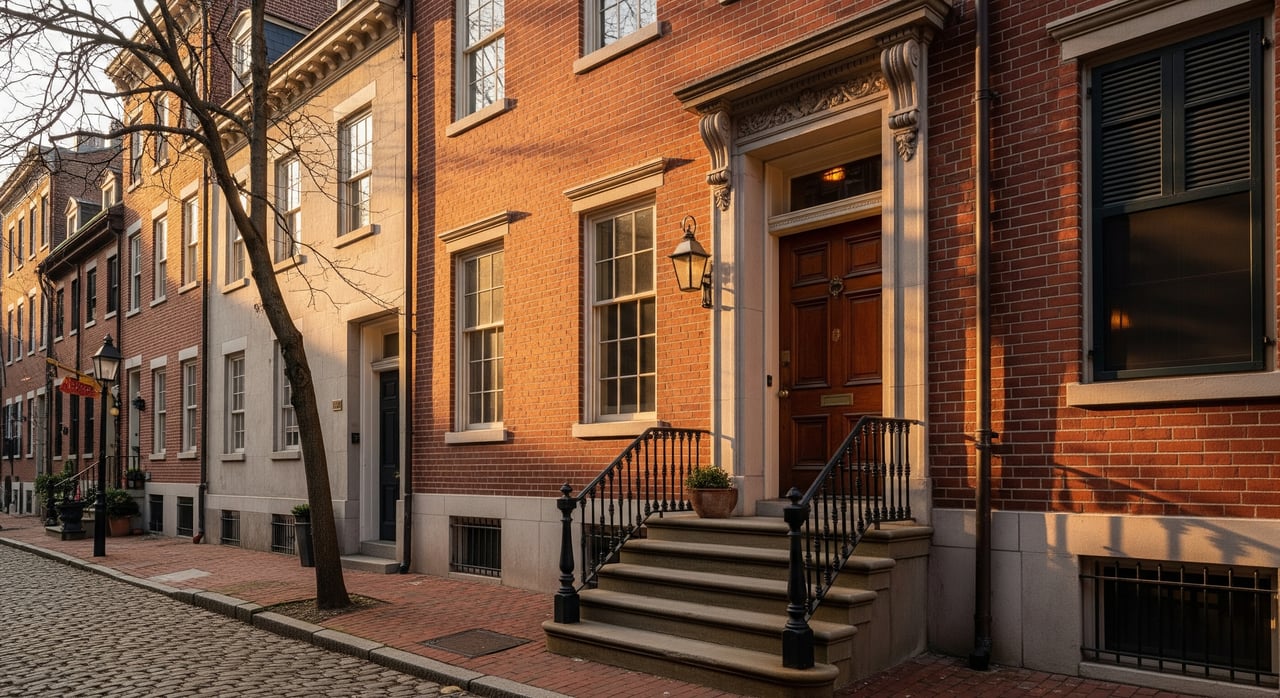
Surprised by how much your closing costs add up in Old City? You are not alone. One line item that catches many buyers and sellers off guard is Philadelphia’s real estate transfer tax. Understanding it early can shape your offer strategy, your net proceeds, and your cash-to-close.
In this guide, you will learn what the transfer tax is, how the 4.278% combined rate works in Philadelphia, who typically pays, common exemptions, and real-world cost examples for Old City price points. You will also get a checklist you can use before you list or make an offer. Let’s dive in.
What the transfer tax is
A real estate transfer tax is a tax on the conveyance of property when ownership changes hands. In Philadelphia, it is calculated as a percentage of the sale price or other consideration and is paid at closing. The title company collects it and remits it to the proper agencies.
Transfers of fee simple homes, most condominium units, and many long leases or co-op interests can be taxable. For typical market-rate sales in Old City, plan for the tax to apply unless you qualify for a specific exemption.
The current rate in Philadelphia
Philadelphia imposes a municipal transfer tax in addition to the statewide Pennsylvania realty transfer tax. The commonly cited combined rate in the city is 4.278% of the sale price. Always confirm the current rate with the Philadelphia Department of Revenue or your title company before you rely on any estimate.
Who pays at closing
Legally, the tax applies to the conveyance, and the settlement agent handles collection and remittance. There is no universal rule that one side must pay. In practice, who pays is negotiated in the purchase agreement.
- Seller pays: Common in some market conditions and in many listing templates. This reduces the seller’s net proceeds.
- Buyer pays: More common in competitive conditions or when buyers want to strengthen an offer. Many condo buyers plan to shoulder more closing costs.
- Split: A 50-50 split is frequent and easy to model in offers and net sheets.
In Old City, where the mix includes condos and rowhomes at varied price points, you should clarify transfer tax allocation in your offer or counter to avoid surprises. Make sure the purchase contract’s closing cost section clearly states who pays what.
Exemptions and special cases
Some transfers can be exempt or treated differently, subject to specific documentation requirements. Examples include certain transfers between spouses or incident to divorce, transfers involving governmental or qualifying tax-exempt entities, transfers by foreclosure or sheriff’s sale, and some intrafamily transfers such as parent-child. Inheritances or transfers under a will may be handled differently. If you think you may qualify, raise it early with your title company so the correct affidavits and forms are prepared.
New construction and condominium resales in Old City are generally taxable. Whether a developer or buyer pays in new-build contracts varies and should be explicit in the agreement of sale.
How it is collected and remitted
Your title company or settlement agent will collect the transfer tax at closing and pay it to the Pennsylvania Department of Revenue and the City of Philadelphia as required. You will see the transfer tax as a separate line item on your Closing Disclosure or settlement statement.
If the tax is not paid correctly, penalties and interest can accrue. Title and escrow professionals are trained to prevent this, but it is still smart to review your final figures and keep copies of the transfer tax forms recorded with your deed.
What it costs in Old City
The following examples use the combined rate of 4.278%. Confirm the current rate before relying on these illustrations.
$300,000 purchase price
- Transfer tax: $300,000 × 0.04278 = $12,834
- If seller pays: seller’s gross proceeds decrease by $12,834.
- If buyer pays: buyer brings $12,834 in addition to other closing costs.
$400,000 purchase price
- Transfer tax: $400,000 × 0.04278 = $17,112
$550,000 purchase price
- Transfer tax: $550,000 × 0.04278 = $23,529
$700,000 purchase price
- Transfer tax: $700,000 × 0.04278 = $29,946
$900,000 purchase price
- Transfer tax: $900,000 × 0.04278 = $38,502
Example allocation at $550,000
- Seller pays full tax: seller’s net proceeds drop by $23,529 in addition to agent commissions, mortgage payoff, and other closing costs.
- Buyer pays full tax: buyer must plan for an extra $23,529 at closing. Many lenders require transfer taxes to be paid in cash rather than financed, so confirm with your lender.
- Split 50-50: each side pays $11,764.50.
How it affects offers and net sheets
For buyers, leaving transfer tax out of your cash-to-close estimate can create a tough surprise at settlement. Ask your agent and lender to include it in your pre-offer budgets, especially on condos where total closing costs can be higher.
For sellers, build the transfer tax into your net sheet when setting a bottom line. If you agree to cover it for the buyer as a negotiation point, confirm how that affects your minimum acceptable price and any other concessions.
In competitive Old City situations, buyers may improve an offer by covering the tax, splitting it, or offering a higher price while asking the seller to pay it. Your strategy should reflect market conditions, property type, and your priorities.
Quick checklist for Old City
Before you list or write an offer
- Verify the current Philadelphia transfer tax rate with the Department of Revenue or your title company.
- Request a draft closing statement that includes transfer tax and other fees.
- Put clear transfer tax language in the agreement of sale.
For buyers
- Include transfer tax in your cash-to-close estimate.
- Ask your lender whether transfer tax can be financed or must be paid in cash.
- Check whether any exemptions could apply to your situation.
For sellers
- Model scenarios where you pay, the buyer pays, or you split the tax.
- Use a detailed net sheet to set pricing and concession strategies.
At settlement
- Review your Closing Disclosure line by line, including the transfer tax item.
- Keep copies of the transfer tax return and supporting documents.
Ready to plan your Old City move with clear numbers and a calm, experienced guide by your side? Reach out to The Josh Allen Team for a clean transfer tax estimate, strategic offer language, and a detailed net sheet that supports your goals.
The Josh Allen Team is here to help you move forward with confidence.
FAQs
What is the Philadelphia real estate transfer tax?
- It is a tax on the conveyance of property, calculated as a percentage of the sale price, collected at closing and remitted by the settlement agent.
What is the current transfer tax rate in Old City?
- The commonly cited combined Philadelphia rate is 4.278% of the sale price, but you should verify the current rate with the Department of Revenue or your title company.
Who usually pays the transfer tax in Philadelphia?
- Payment is negotiable and set in the purchase agreement, with common outcomes being seller-paid, buyer-paid, or a 50-50 split.
Can I finance the transfer tax as a buyer?
- Many lenders require transfer taxes to be paid in cash at closing, so confirm with your lender early in the process.
Are there any exemptions from the transfer tax?
- Some transfers, such as certain spousal, governmental, or intrafamily transfers, may be exempt or treated differently, and they require specific documentation.
How will the transfer tax appear on my closing documents?
- It appears as a separate line item on your Closing Disclosure or settlement statement, with amounts allocated according to the agreement of sale.