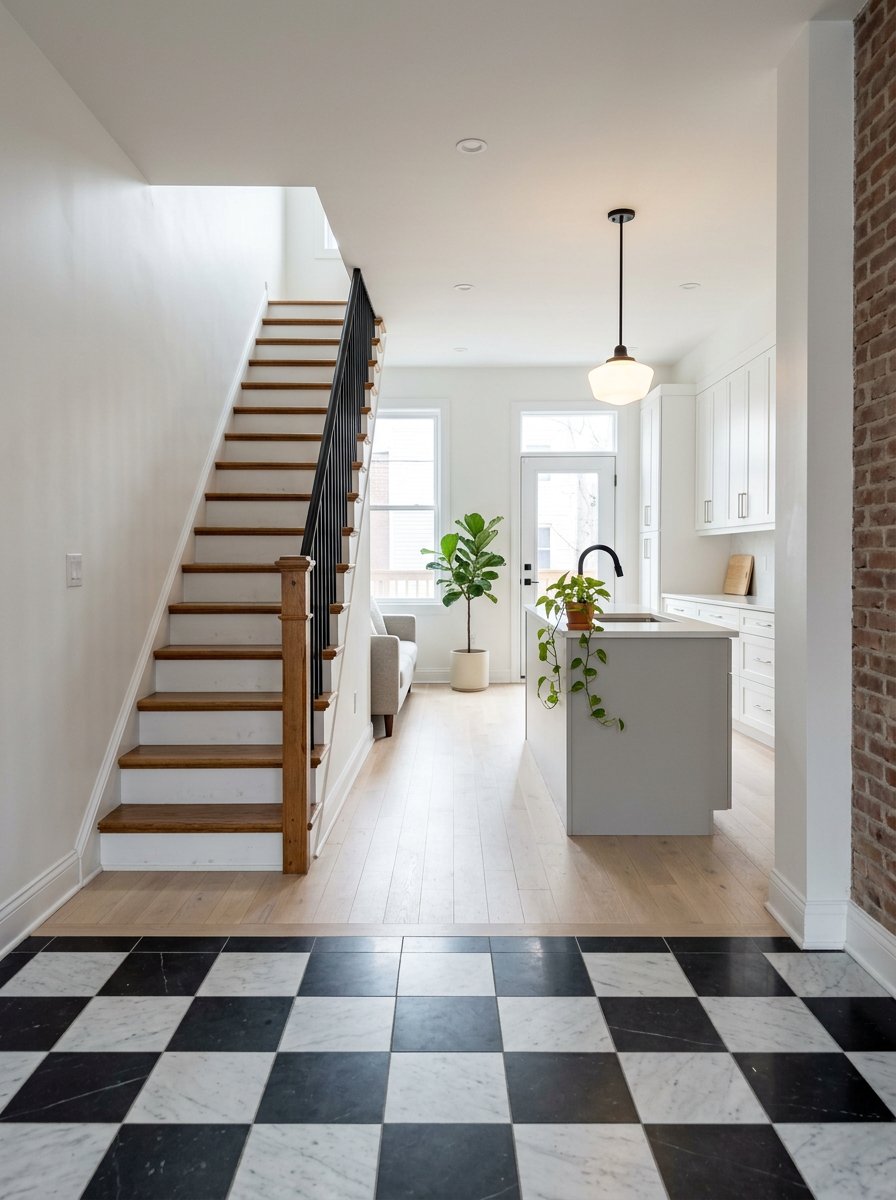
Dreaming of owning your first classic South Philly rowhome near East Passyunk’s restaurants and shops, but unsure where to start? You are not alone. First-time buyers often juggle tight timelines, older-home questions, and fast-moving listings. In this guide, you will learn what Passyunk Square rowhomes look like inside, what to inspect, how to use local grants, and how to write a strong offer without giving up key protections. Let’s dive in.
Why Passyunk Square works for first-time buyers
Passyunk Square sits in South Philadelphia between Broad Street and 6th Street, and Washington Avenue to Tasker or Dickinson. The neighborhood centers on East Passyunk Avenue’s dining and shopping corridor, is walkable, and has access to the Broad Street Line. For a quick orientation, review the neighborhood background and boundaries on the Passyunk Square page on Wikipedia.
Recent neighborhood snapshots show a competitive market. As of December 2025, Redfin reported a median sale price near $502,000 and Realtor.com showed a neighborhood median around $525,000, while Zillow’s index was lower. These differences reflect how each source measures values. The big takeaway for you is this: listings often draw multiple offers, and condition drives price. Always confirm current pricing before you write.
What this means for you: starter rowhomes can span from the lower hundreds of thousands into the 500 to 700 thousand range depending on size, outdoor space, and updates. Renovated kitchens and baths, finished basements, and outdoor areas can shift pricing quickly.
What you get in a Passyunk rowhome
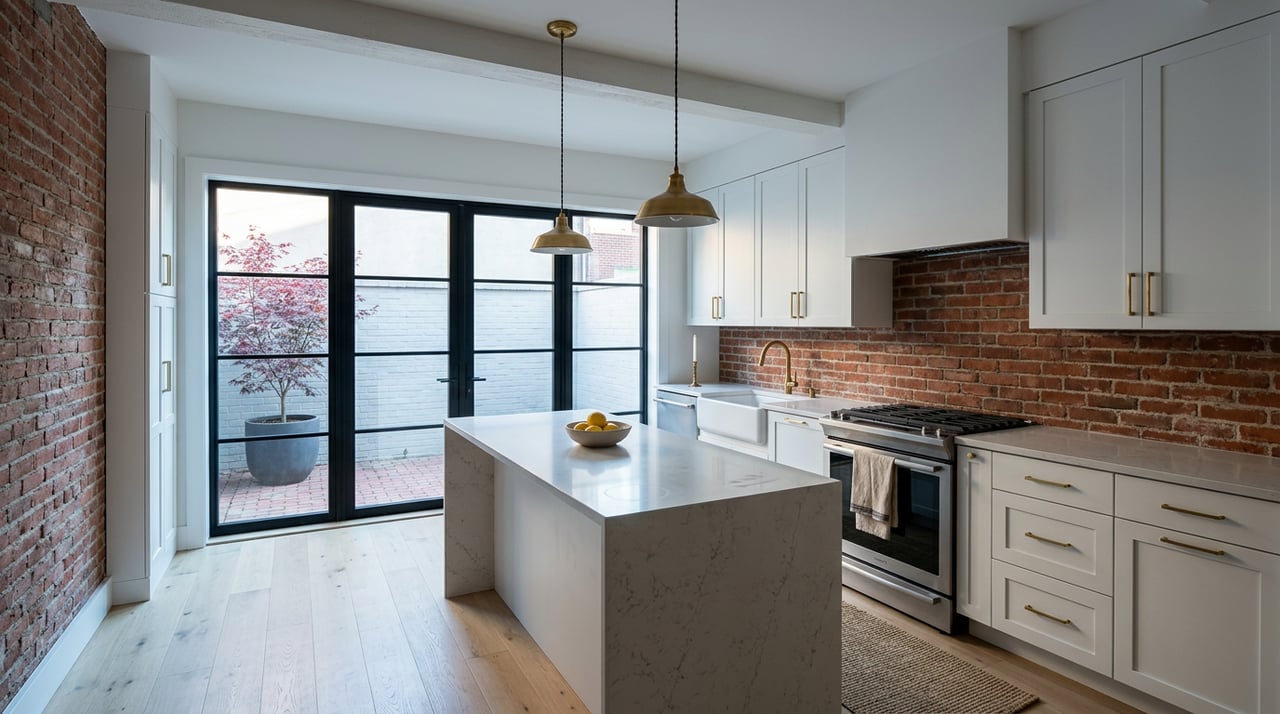
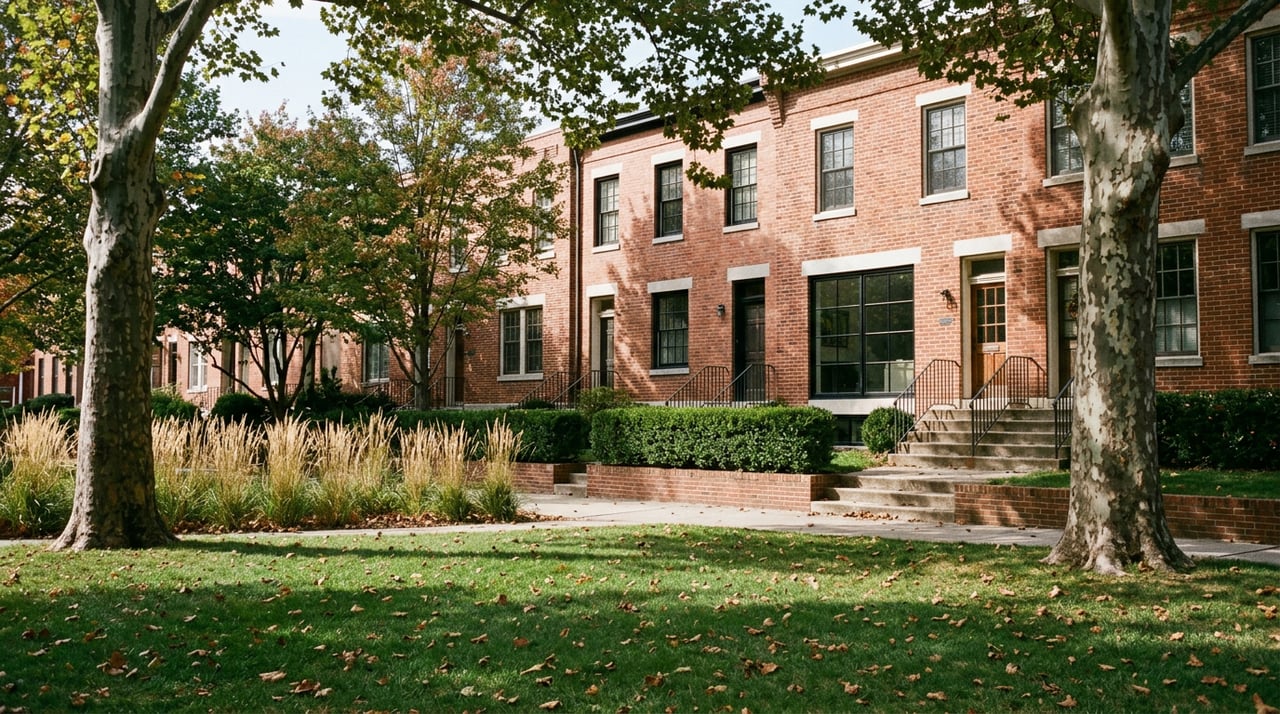
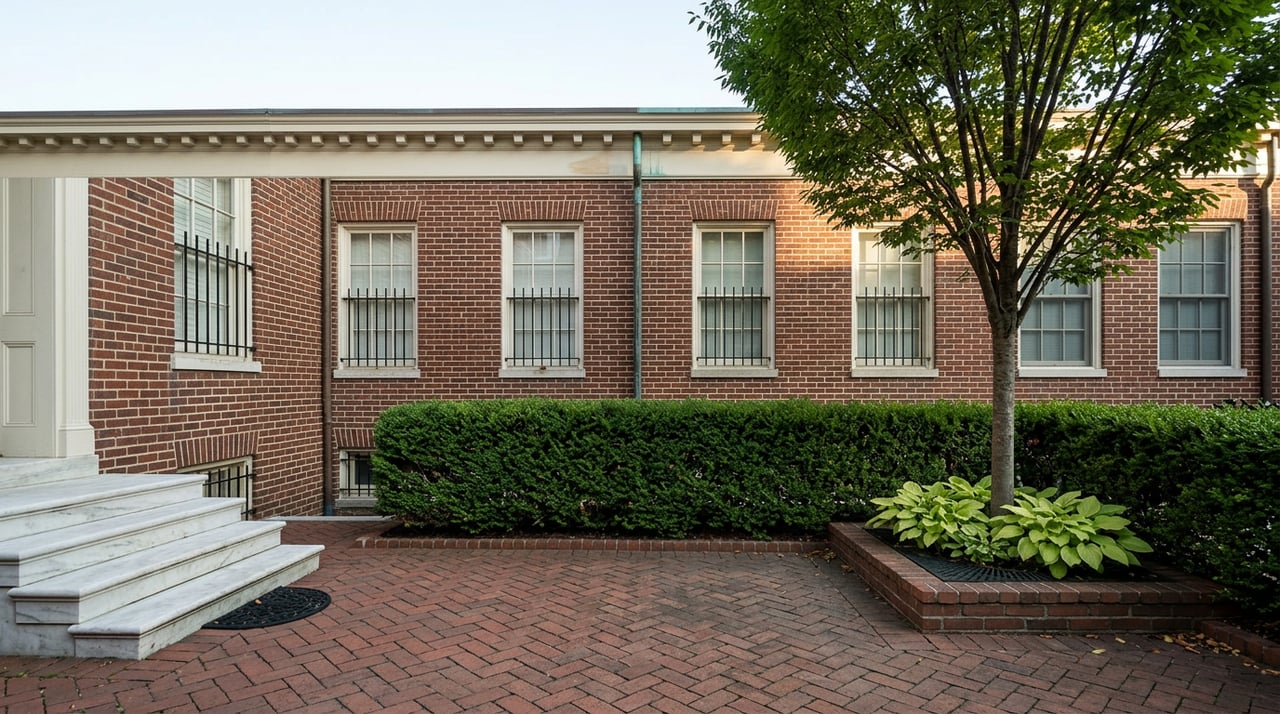
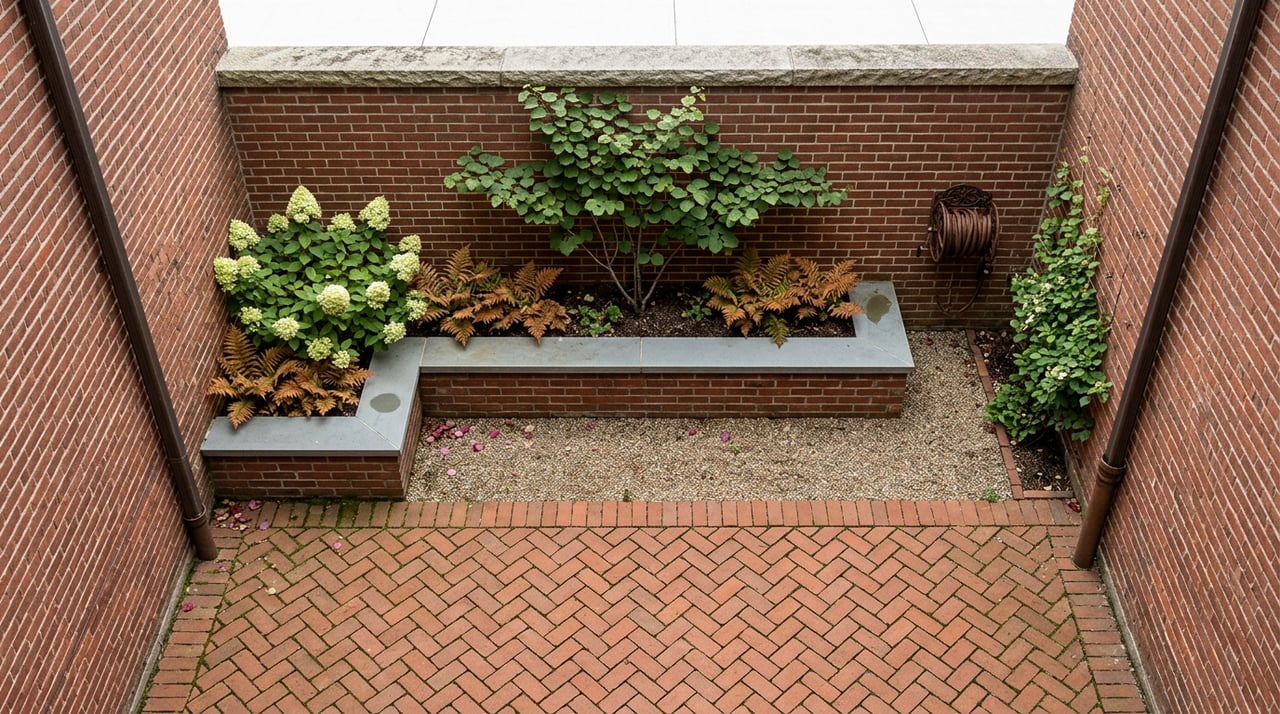
Most homes are brick two or three stories with a small front stoop, a compact rear yard or deck, and a basement for utilities and storage. You will also see “trinity” homes. These are narrow and vertical with one main room per floor, often updated into smart two-bedroom layouts.
Typical floorplans place living and dining at the front and a kitchen toward the back, sometimes with a half bath tucked near the rear or in the basement. Upstairs, you will usually find one to two bedrooms on the second level and an additional bedroom or flex space on the third floor or attic. Basements vary. Some are finished for bonus living, others remain utility and storage spaces.
For size, expect many first-time buyer options in the 800 to 1,400 square foot range with two to three bedrooms and one to two baths. Renovations that open walls or finish a basement often make these homes live larger than the square footage suggests.
Older-home inspection checklist
Passyunk Square’s housing stock includes many homes built before 1978. That charm comes with systems that deserve extra attention. A general home inspection is essential, and these focused checks add real value:
- Roof, flashing, and chimneys. Flat and low-slope roofs are common on rowhomes and can be trouble spots. An inspector should review roof condition and chimney flashing closely. See the high-level home inspection priorities in this inspection guide.
- Basements and water intrusion. Look for efflorescence, damp smells, or staining. Poor grading and clogged gutters can send water to foundation walls. The inspection guide also flags basement moisture as a common older-home issue.
- Plumbing and sewer. Older homes may have cast iron or clay sewer laterals. A sewer-camera scope is smart. In Philadelphia, owners are generally responsible for the private sewer lateral that connects to the public main. Review the Philadelphia Water Department’s sewer connection guidance for owner responsibility and permitting in the Sewer Connection Manual.
- Electrical. Inspect for active knob-and-tube wiring, undersized panels, missing GFCI protection, and mixed eras of wiring. Lenders and insurers may have rules around older wiring. Regional inspectors outline common older-home electrical findings here.
- Heating, cooling, and hot water. Boilers and older forced-air systems are common. Ask for ages, service history, and expected remaining life. Energy upgrades like insulation or window replacements can improve comfort in rowhomes.
- Lead paint and asbestos. Homes built before 1978 require a federal lead disclosure and provide a 10-day window for lead testing if you choose. Learn your rights in the EPA and HUD Lead Disclosure Rule overview.
- Wood-destroying insects. Termites and carpenter ants can target moisture-prone framing. A WDI report is common. See typical concerns in this older-home inspection overview.
Recommended add-ons for older Philly rowhomes:
- Sewer scope or camera inspection to evaluate the lateral.
- Lead-paint test for pre-1978 homes and a radon test, even though county averages are lower risk.
- Chimney flue inspection if there is a working fireplace.
Typical inspection costs vary by size and provider. A general inspection often ranges from about 300 to 600 dollars. Add-ons like a sewer scope can run about 150 to 350 dollars, and radon or lead tests often range from 100 to 500 dollars based on the type of test and lab work. For a quick sense of ranges, review this summary of inspection costs and add-ons. Always get local quotes.
Financing and Philly assistance that help first-time buyers
Stacking the right mortgage with local assistance can lower your upfront cash and monthly payment.
- Philly First Home grant. The city’s program can provide up to 10,000 dollars or 6 percent of the purchase price, whichever is less, for eligible first-time buyers. You must complete city-funded housing counseling and meet income and program rules. Availability can change and funds are often limited. Learn more from PHDC’s Philly First Home updates. Complete required counseling before you sign an Agreement of Sale if you plan to use the grant.
- PHFA assistance. The Pennsylvania Housing Finance Agency offers programs that pair with a PHFA first mortgage. The Keystone Advantage Assistance Loan provides up to 4 percent of the purchase price, capped at 6,000 dollars, as a zero-interest second amortized over 10 years. Review details on Keystone Advantage. K-FIT provides up to 5 percent as a forgivable second that is forgiven over 10 years. See eligibility and terms for K-FIT.
- Low-down mortgages. Many first-time buyers use conventional programs with as little as 3 percent down or FHA financing that is often 3.5 percent down for qualified borrowers. Ask your lender which product pairs well with local assistance.
Practical timing tip: grants and PHFA assistance usually require counseling, documentation, and approvals that start before you sign a contract. If you want to use a grant, begin counseling and get pre-approved early so you can move quickly on a listing you love.
How to compete without losing protection
Passyunk Square can be very competitive. You can write a strong offer that respects your budget and keeps key safeguards.
- Get fully pre-approved, not just pre-qualified. A pre-approval with verified income and assets makes your offer stronger and speeds underwriting.
- Use a meaningful earnest-money deposit that signals commitment, while staying within your comfort zone.
- Keep an inspection contingency, but tighten the timeline. Seven to ten days is common. Some buyers shorten to three to five days to compete. Pre-booking inspectors can help you hit a short window.
- Consider an appraisal gap clause rather than waiving appraisal outright. If the home appraises slightly under contract price, a defined gap amount can keep the deal together without risking unlimited exposure.
- Offer flexible closing or post-settlement occupancy if the seller needs time. Aligning on timing can beat a slightly higher price from a less flexible buyer.
Closing timeline and city transfer taxes
From a signed agreement to closing, most financed purchases land in the 30 to 45 day range, depending on appraisal turn times, lender conditions, title work, and municipal recording. Cash can be faster.
Philadelphia charges a realty transfer tax that includes both city and state portions. The combined rate is applied to the sale price. The customary split is negotiable and should be written into your contract. Confirm the current rate on the city’s Realty Transfer Tax page and include it in your closing cost estimate.
Step-by-step plan to buy in Passyunk Square
- Get pre-approved and discuss product options. Compare conventional low-down and FHA with your lender. If you plan to use grants, start counseling now.
- Align your wish list with real inventory. Decide which trade-offs are acceptable: outdoor space, third bedroom, or a turnkey renovation.
- Tour quickly and bring a checklist. Watch for roof age, water signs in the basement, electrical panel capacity, and heating type.
- Structure your offer. Match the market with a strong price, tight but safe contingencies, and flexible timing.
- Schedule inspections immediately. Order a general inspection plus a sewer scope. Add lead, radon, or chimney checks as needed.
- Negotiate repairs or credits. Focus on safety, structure, and systems that are costly to cure.
- Finalize financing. Lock your rate, respond to lender conditions, and line up homeowner’s insurance.
- Close and move. Do a thorough final walk-through. Keep all manuals and contractor info organized for future maintenance.
Avoidable pitfalls for first-time buyers
- Skipping a sewer scope in an older rowhome. Lateral repairs can be expensive. Test it before you waive anything.
- Waiving every contingency. You can shorten timeframes and still protect yourself. Use targeted strategies like appraisal gap clauses.
- Not starting grants early. Philly First Home and PHFA programs take time. Begin counseling before you shop in earnest.
- Overlooking total monthly cost. Consider taxes, insurance, utilities, and expected maintenance on older systems.
- Ignoring roof and water management. Gutters, downspouts, and grading matter in rowhome blocks. Budget for proactive maintenance.
Ready to talk through a plan that fits your timeline and budget, and see live Passyunk Square options as they hit the market? Connect with The Josh Allen Team for calm, local guidance from search to keys.
FAQs
What should a first-time buyer know about Passyunk Square pricing?
- As of December 2025, neighborhood snapshots show medians around the 500 thousand range, with condition driving price. Always confirm current data before you offer.
What inspections are most important for older Passyunk Square rowhomes?
- Prioritize a general inspection, sewer scope, and targeted tests for lead, radon, and chimney flues as applicable. Evaluate roof, electrical, plumbing, and moisture.
Who pays for sewer lateral repairs in Philadelphia?
- Property owners are generally responsible for their private laterals. Budget for a camera scope and understand permitting if repairs are needed.
How long does it take to close on a financed rowhome in Philly?
- Many financed purchases take about 30 to 45 days from contract to closing, depending on appraisal, lender, and title timelines.
Can I use Philly First Home with a conventional or FHA loan?
- Yes, subject to eligibility and program rules. Complete required counseling early and confirm with your lender how the grant pairs with your first mortgage.
Is it smart to waive inspections to win in a competitive situation?
- Waiving inspections adds risk. A better approach is keeping the inspection contingency with a shorter window or using targeted clauses like an appraisal gap.