If you own a historic home near Washington Square, you already know it is not a typical property sale. Buyers are often drawn to the architecture and setting, but they also want clarity on condition, documentation, and any rules that may affect future work. When you prepare the right way, you can tell a stronger story and reduce surprises once your home hits the market. Let’s dive in.
Why location shapes the sale
Homes near Washington Square benefit from a setting that is hard to replicate. Washington Square is part of Independence National Historical Park, and the surrounding area connects buyers to a distinctive mix of history, green space, and city living.
That matters because your buyer is often purchasing more than square footage. In this part of Philadelphia, the appeal usually comes from a combination of historic character and everyday convenience. Visit Philadelphia describes Center City as highly walkable, with access to dining, shopping, and cultural destinations that support a lifestyle-focused marketing approach.
Check historic status first
One of the most important steps before listing is confirming whether your property is actually designated as historic. A home may be listed on the Philadelphia Register of Historic Places, the National Register of Historic Places, both, or neither. The city also notes that you should verify the exact address using official OPA records before assuming a designation applies to your home or district.
You can start with the city’s historic property and district search tools. This step matters because marketing language, disclosure planning, and buyer expectations can all change based on whether the property is subject to local historic review.
There is also an important local wrinkle near Washington Square. According to the city’s historic district resources, the Washington Square West Historic District is considered designated during an ongoing appeal noted in a March 2026 staff report, so status should be verified at the individual property level before you rely on district-wide assumptions.
Understand what the Historical Commission reviews
If your home is on the Philadelphia Register, exterior changes may require review by the Philadelphia Historical Commission. The city says this commonly includes windows, roofs, doors, masonry, porches, fences, sidewalks, mechanical equipment, and other exterior work.
At the same time, not every task needs approval. According to the city’s historic property work approval guidance, standard maintenance like scraping and painting wood trim, cleaning gutters, and replacing clear window glass does not require project review.
This is useful when you are preparing to sell. If you have completed exterior work, gather permits, invoices, and any approvals early. If you are considering pre-sale repairs, it is wise to confirm whether review is needed before scheduling contractors.
Historic designation does not mean frozen in time
Many sellers worry that historic status automatically creates major limits or raises ownership costs. The city says historic designation is about managing change rather than preventing all alterations. It also notes that designation does not affect property assessment or raise taxes, and alterations made before designation are generally grandfathered until changed again.
That is a helpful message for buyers too. In many cases, the strongest positioning is not that the home is untouched, but that it has been well maintained, thoughtfully updated, and properly documented over time.
Prepare disclosures early
Older homes near Washington Square often come with more paperwork, and that is not a bad thing if you stay organized. Pennsylvania’s Real Estate Seller Disclosure Law requires sellers to disclose known material defects before an agreement of sale is signed.
The disclosure form covers issues such as:
- Roof condition
- Basement or crawl space concerns
- Termites or wood-destroying insects
- Structural issues
- Additions or remodeling
- Plumbing, electrical, heating, and air conditioning systems
- Water or sewage systems
- Hazardous substances
- Condo or HOA matters
- Legal or title issues
If you own a condo or a home in a planned community, there is another layer. Pennsylvania law requires resale documents that may include the declaration, bylaws, rules, monthly assessments, reserve information, insurance details, budgets, and known violations or alteration issues. For Washington Square-area condos and townhouse communities, ordering these items early can help prevent delays later in the transaction.
Lead paint rules matter in pre-1978 homes
Because many homes near Washington Square were built before 1978, lead disclosures are a major part of sale prep. Under federal lead disclosure requirements, sellers and agents must disclose known lead information, provide the EPA pamphlet, share available records, include a lead warning statement, and allow a 10-day inspection or risk-assessment window unless the buyer waives it.
Philadelphia adds its own local requirement before a buyer is obligated under contract for most pre-1978 housing. The city’s code states that most Philadelphia homes built before 1978 contain dangerous lead paint unless a certified lead inspection shows otherwise. The EPA also notes that lead paint is especially hazardous when it is deteriorating, such as peeling, cracking, or chipping.
For sellers, the practical move is simple. Gather any prior lead reports, receipts, remediation records, or inspection documents before listing so you are ready when questions come up.
Expect inspection questions on older homes
Even beautiful historic homes can raise practical inspection concerns. In older Center City properties, buyers and inspectors often focus on moisture, masonry, roofs, windows, and aging systems.
The National Park Service explains that historic houses can admit moisture through missing mortar and cracks around windows and doors. It also points to roofs, gutters, downspouts, and repointing as important maintenance items. In older homes generally, inspectors may also look closely at unconventional or outdated systems, older wiring, plumbing materials, pests, and signs of water intrusion.
That does not mean your sale will be difficult. It means buyers will feel more confident when you can show a clear record of care.
Windows deserve special attention
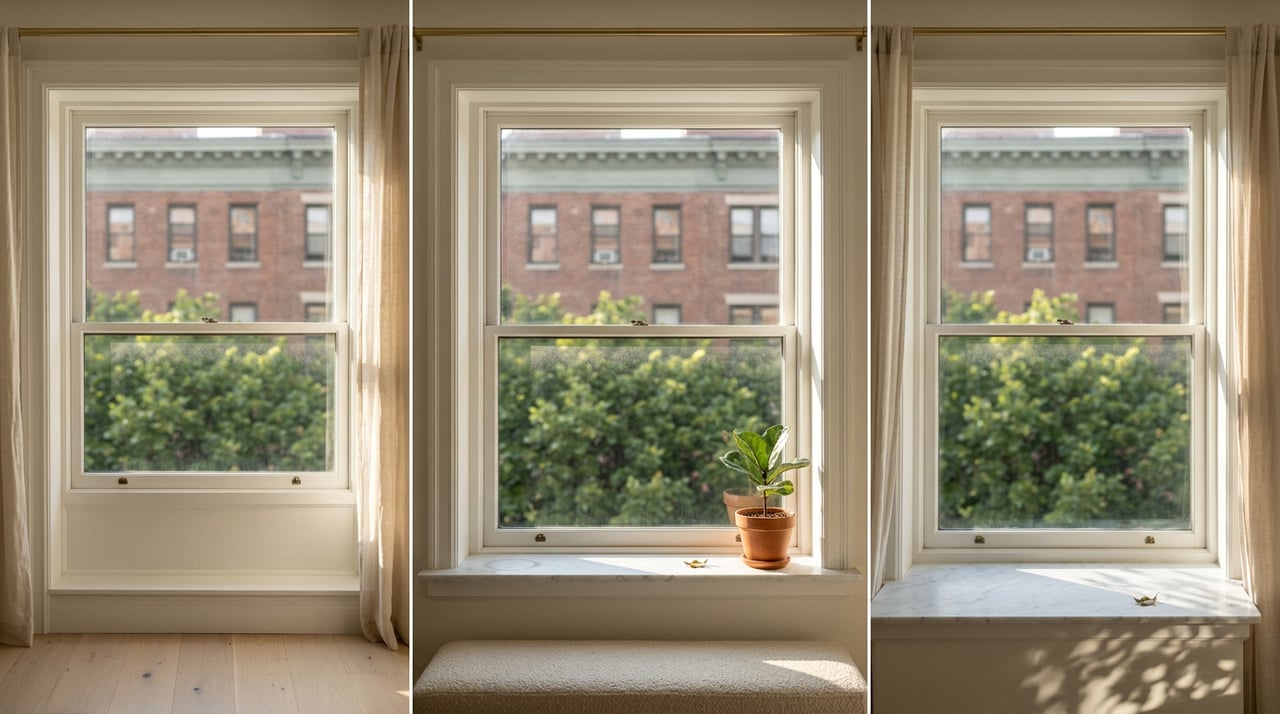
Original windows are often part of the charm buyers notice first, but they can also become a point of negotiation. The National Park Service says repair should be the first option for historic windows, and when replacement is necessary, documentation and visual compatibility matter.
If your home still has original windows, be ready to explain what has been maintained, repaired, or replaced. If work was done, keep records that show the scope and timing. In a historic sale, character carries more weight when it is paired with proof.
Appraisal works better with documentation
Historic homes do not always fit neatly into a standard appraisal box, especially in a dense urban area with varied property types. Fannie Mae says appraisers should use comparable sales with similar physical and legal characteristics when possible, but they may use older or competing-area sales if the choice is explained.
Fannie Mae also requires appraisers to report visible deferred maintenance, dampness, abnormal settlement, and needed repairs. That is why a clean, well-documented property file can make a real difference. If your home has had roof, electrical, plumbing, HVAC, masonry, or moisture-related updates, organize that information before the listing goes live.
Build a smarter pre-listing file
For a historic home near Washington Square, presentation is not just about photography and staging. It is also about making the home easy to understand.
A strong seller file often includes:
- A list of original details worth highlighting
- A timeline of major updates and repairs
- Copies of permits and invoices
- Any Philadelphia Historical Commission approvals or related records
- Condo or HOA documents, if applicable
- Seller disclosure materials prepared in advance
- Lead reports or related records for pre-1978 homes
This kind of preparation helps you market the home with confidence and respond quickly when buyers ask detailed questions.
Market the home with the right story
The most effective marketing angle for a historic home near Washington Square is usually not just age or architecture alone. It is character plus livability.
Your listing should connect the home’s period details to the surrounding lifestyle: proximity to Washington Square, access to Independence Hall and Center City amenities, and the convenience of a walkable urban setting. It should also show buyers that the home has been cared for, not simply preserved in place.
That is where strong presentation and planning matter. Professional photography, clear feature callouts, and organized documentation can help buyers appreciate both the emotional appeal and the practical value of the property.
Selling with a calm strategy
If you are selling a historic home near Washington Square, the goal is not to hide complexity. It is to manage it well. When you verify historic status, prepare disclosures early, organize maintenance records, and address visible issues before listing, you give buyers more confidence and give yourself a smoother path to the closing table.
If you want a thoughtful plan for positioning, preparing, and marketing your home, connect with The Josh Allen Team. With local knowledge, premium presentation, and a calm, organized approach, you can move forward with more clarity and confidence.
FAQs
What should you verify before selling a historic home near Washington Square?
- You should confirm whether the property is listed on the Philadelphia Register of Historic Places, the National Register, both, or neither, and verify the official property address before relying on district status.
What exterior work may require review for a Philadelphia historic property?
- For properties on the Philadelphia Register, exterior changes such as windows, roofs, doors, masonry, porches, fences, sidewalks, and some mechanical equipment may require approval from the Philadelphia Historical Commission.
What disclosures are required when selling an older home in Philadelphia?
- Pennsylvania sellers must disclose known material defects before the agreement of sale is signed, and pre-1978 homes are generally subject to federal lead disclosure rules plus Philadelphia’s local lead disclosure requirements.
Why do inspections matter more for historic homes near Washington Square?
- Buyers and inspectors often look closely at moisture intrusion, masonry, roofing, windows, older wiring, plumbing, and deferred maintenance, so clear records and pre-listing preparation can help reduce friction.
How can you market a historic home near Washington Square effectively?
- The strongest approach is usually to highlight architectural character, proximity to Washington Square and Center City amenities, and documented maintenance or upgrades that help buyers understand the home’s condition.