Eyeing a duplex or small apartment building in Old City or Society Hill? You’re looking at two of Philadelphia’s most sought-after, historic neighborhoods, where strong demand meets tight, character-rich inventory. The upside can be real if you understand local rents, rules, and the unique costs tied to older buildings. In this guide, you’ll learn how to size up properties, underwrite cash flow, and avoid common pitfalls specific to these Center City micro-markets. Let’s dive in.
Why Old City and Society Hill
Building stock at a glance
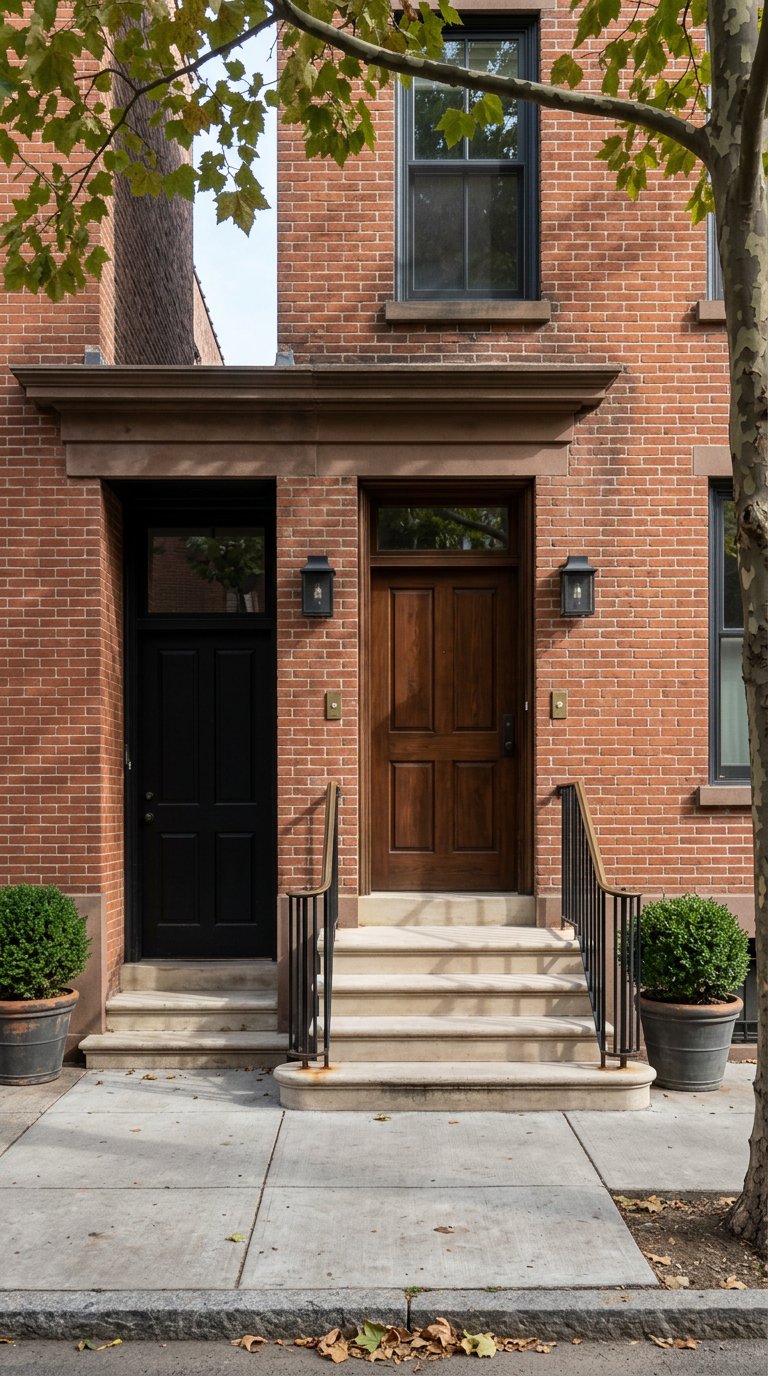
Old City and Society Hill offer a mix you won’t find in garden-style suburbs. You’ll see 18th and 19th-century masonry rowhouses, boutique condo conversions, and walk-up or low-rise adaptive-reuse buildings where most units are 1- or 2-bedrooms. Many structures predate 1930, so historic exteriors and period details are common. In Society Hill, high-quality townhouses and luxury conversions often dominate, with a higher share of owner-occupied homes but a solid presence of small rental buildings too. Historic-district controls apply on many blocks, so exterior changes often require approvals.
Rent ranges and demand signals
Observed listings show Old City 1-bedroom rents commonly in the roughly 1,500 to 2,400 dollars per month band, depending on size and finish. In Society Hill, renovated or luxury product can command a premium, and select one-bedrooms in elevator buildings list higher. Treat these as directional anchors, not guarantees. Always pull unit-level comps within a few blocks that match your subject’s bedroom count, finishes, and amenities.
What drives returns here
Vacancy and absorption
Greater Center City has grown quickly in recent years and continues to show healthy absorption and tight occupancy for effective apartment stock. That backdrop supports the case for conservative vacancy assumptions in prime micro-markets. For well-located small buildings, many underwriters use a 3 to 6 percent stabilized vacancy and collection loss, then adjust higher for older, high-turnover units or seasonality. See Center City economic context from the local business district and recent multifamily reports for perspective on demand and leasing trends (Center City District overview; Berkadia Philadelphia mid-year multifamily).
Taxes and carrying costs
Real estate taxes are a major line item in Philadelphia underwriting. A citywide reassessment effective for Tax Year 2025 increased many assessed values, and the combined municipal and school effective tax rate is commonly summarized around 1.40 percent of taxable assessed value. Confirm the current effective rate for the specific tax year and verify the property’s assessed value and any exemptions before you finalize numbers (Inquirer coverage of reassessment and tax impact).
Cap rate and pricing context
Cap rates vary widely by quality, location, and renovation level. In Center City, upgraded and recently renovated assets typically trade at lower going-in cap rates than older, unrenovated small buildings. Also expect small 2 to 8 unit properties to trade at higher cap rates than large, institutional assets due to liquidity, management intensity, and financing terms. Always benchmark against recent closed sales on the same block or nearby streets, and adjust for finishes, systems, and legal unit count.
Know the rules before you buy
Zoning and legal unit count
Philadelphia’s zoning controls allowable use, unit count, and potential additions like roof decks. Do not assume the current unit count is legal. Pull the property’s zoning designation from the City map and verify proof of lawful use with a Certificate of Occupancy, prior zoning permits, or rental license history. Many older buildings are legal nonconforming, so documented use history matters for risk and financing (Zoning Quick Guide).
Historic-district approvals
Large portions of Old City and Society Hill fall within local historic districts regulated by the Philadelphia Historical Commission. Exterior work like façade repairs, visible window replacements, dormers, decks visible from public ways, and roof additions usually need review and approval. If the building is classified as Contributing or Significant, plan for design drawings, an application, and extra time in your schedule and budget (Historic district manuals and inventories).
Rental license and tenant documents
To lease residential units, you need a current Rental License, and at lease start you must provide a valid Certificate of Rental Suitability and the City’s Partners in Good Housing handbook to tenants. Missing licenses or certificates can lead to penalties and can interfere with rent collection or eviction remedies. Confirm the license status during due diligence and map out timing to obtain or transfer it before closing (Rental License requirements).
Lead safety for pre-1978 buildings
Philadelphia requires most pre-1978 rentals to be tested and certified lead-safe or lead-free. The lead certificate typically must be provided before obtaining or renewing a rental license, and records are maintained by the Health Department. This can be a real cost driver in historic areas with older stock. Verify the property’s lead status early so you can plan for testing or remediation if needed (Health Department lead dashboard and rules overview).
Short-term rental rules
Short-term rentals have explicit zoning and licensing requirements in Philadelphia. Not all districts permit STRs, and hosts must register and remit hotel tax. Old City’s tourist profile can draw STR interest, so confirm if any units are operating as STRs and whether that use is lawful. Compliance issues can affect valuation and neighborhood relations (City STR guidance).
Life safety and inspections
Expect to meet L&I and Fire Code standards, including smoke detectors and any required certifications for systems in buildings above two units. Rental license and inspection histories often reveal repairs you’ll need to plan and budget for. Build a provisional repair allowance into your underwriting.
Underwriting basics that work in Center City
Step-by-step approach
- Gather the rent roll and 12 months of rent receipts. Confirm legal unit count with a CO, prior rental licenses, or zoning permits before you model debt or value. Licensing and lawful use checks should come first.
- Build Gross Potential Rent by stacking current in-place rents with hyperlocal comps that match bedroom count, finish, and amenity level. Use a three-block radius when possible.
- Apply vacancy and collection loss. For well-located Center City buildings, a 3 to 6 percent range is a common starting point, then adjust for unit mix, turnover, and condition.
- Model operating expenses: real estate taxes, insurance, utilities you pay, maintenance, management, and reserves for turnover and repairs. In Philadelphia, verify the assessed value and effective tax rate used for the current tax year.
- Calculate Net Operating Income. Then evaluate value using market caps or size debt by lender requirements like DSCR and LTV. Small-balance agency and bank programs vary, so get a term sheet to confirm leverage and coverage expectations (Typical DSCR and LTV context).
Sample assumptions to sanity-check
- Vacancy and collection loss: 3 to 6 percent for stabilized, well-located product. Use higher for older, high-turnover stock.
- Real estate taxes: compute assessed value times the current effective rate. Recent reassessment may have changed your baseline. Confirm any exemptions.
- Management fee: 4 to 8 percent of effective gross income for third-party management. Owner-management can reduce cash costs but increases time demands.
- Maintenance and turnover reserve: 5 to 10 percent of effective gross income, leaning higher for pre-1930 buildings unless major systems were recently updated.
Common traps to avoid
- Assuming luxury-level rents without matching finishes, systems, and amenities. Unit-level comps should support each assumption.
- Skipping lead certification checks for pre-1978 buildings. License renewal and tenant compliance require valid lead documentation.
- Failing to verify lawful unit count. Informal or unpermitted conversions can trigger enforcement and reduce loan proceeds.
- Underestimating time and cost for Historical Commission approvals when exterior work is planned. Budget for design and review.
Due diligence checklist
Use this quick list before you remove contingencies:
- Verify zoning, permitted use, and legal occupancy documents (CO, prior zoning permits, or rental license history).
- Pull L&I records for open violations, prior licenses, and outstanding orders. Confirm process and timing for Rental License and Certificate of Rental Suitability.
- Confirm lead certification status and any remediation needs with Health Department records where available.
- Check historical-district classification and whether planned exterior work requires Commission approval. Request pre-application feedback if a renovation is likely.
- Gather utility bills, tax bills, insurance quotes, rent roll, leases, and security deposit accounting. Build a 12-month operating statement.
- Run live rent and closed-sale comps on the block and adjacent blocks, adjusting for finishes, building systems, and amenities.
- If close to the Delaware River, check flood maps and explore flood insurance availability and cost.
Putting it together
Small multifamily in Old City and Society Hill can deliver steady demand and strong long-term appeal, but success here comes from disciplined underwriting and careful compliance. Verify lawful use, respect the historic fabric, pinpoint true market rents, and budget realistically for taxes and repairs. If you want local guidance from a team that lives this market every day, connect with The Josh Allen Team for data-driven comp work, due diligence support, and investor-focused buyer representation in Center City.
FAQs
What types of multifamily buildings are common in Old City and Society Hill?
- You’ll mostly find historic masonry rowhouses converted to 2 to 6 units, boutique condo conversions, and walk-ups, with many buildings dating to before 1930.
What are typical 1-bedroom rents in Old City and Society Hill?
- In Old City, observed 1-bedroom listings often fall around 1,500 to 2,400 dollars per month, while Society Hill’s renovated or luxury units can list higher depending on building and finish.
How should I set vacancy assumptions for underwriting in Center City?
- For well-located properties, many underwriters use 3 to 6 percent stabilized vacancy and collection loss, adjusting for unit condition, turnover, and seasonality.
What Philadelphia licenses and documents do I need to lease units?
- You need a current Rental License, and at lease start you must provide a Certificate of Rental Suitability and the Partners in Good Housing handbook to tenants.
Do I need approvals for exterior renovations in these historic neighborhoods?
- If the property sits in a local historic district, most exterior work visible from public ways requires Historical Commission review and approval, which adds time and design costs.
How do lead rules affect pre-1978 rental buildings in Philadelphia?
- Most pre-1978 rentals must be tested and certified lead-safe or lead-free, and a valid certificate is often required to obtain or renew a Rental License.
Are short-term rentals allowed in Old City and Society Hill?
- Short-term rentals are regulated by zoning and licensing; not all districts permit them. Always confirm lawful use and compliance before underwriting any STR income.