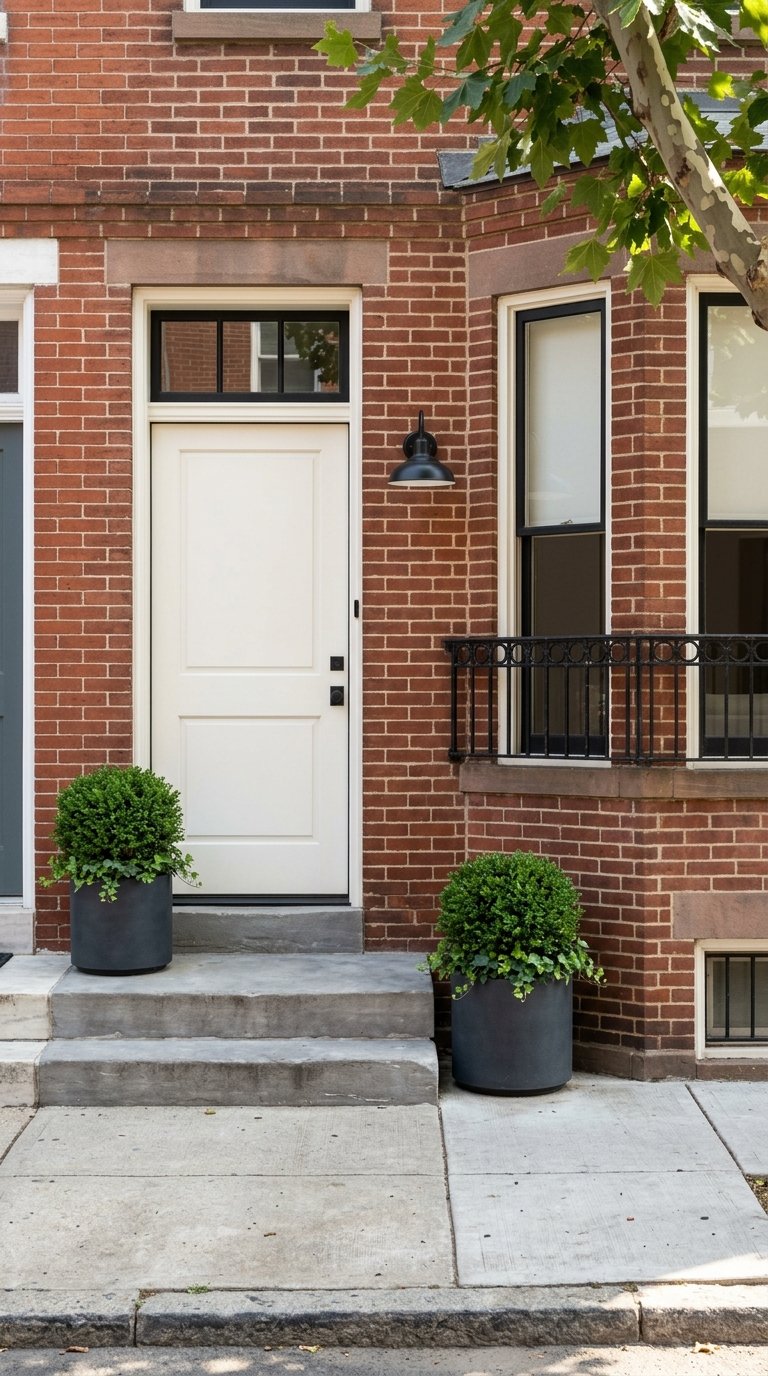
If you are getting ready to sell a rowhome in Graduate Hospital, it is easy to wonder which updates are actually worth your time and money. In a neighborhood where buyers are often comparing similar homes block by block, small presentation details can shape first impressions fast. The good news is that you usually do not need a full renovation to make your home more competitive. With the right pre-listing plan, you can focus on the updates that help your rowhome show brighter, cleaner, and more polished. Let’s dive in.
Why small updates matter here
Graduate Hospital is a highly walkable, townhouse-heavy neighborhood, and buyers often compare homes closely on curb appeal, finish quality, and how the space feels the moment they step inside. Redfin’s current Graduate Hospital townhouse data shows a median listing price of $700,000, with most homes staying on the market about 27 days and receiving one offer.
That context matters. In a rowhome setting, buyers are often looking at similar footprints and similar streetscapes, so presentation can carry extra weight. The City of Philadelphia’s rowhouse manual also notes that rowhouses can feel dark, especially on lower floors, which makes lighting, light paint, and visible maintenance especially important before you list.
Start with the front of the house
For many Graduate Hospital rowhomes, the most important pre-listing updates are the ones buyers notice before they even walk through the door. Your entry sequence sets the tone for the showing, and in an attached-home streetscape, every detail at the front of the property stands out.
The city’s rowhouse manual specifically points to well-painted wood elements, repaired steps and railings, and a working exterior light as practical improvements that support both appearance and safety. That makes the front door, stoop, trim, railings, and light fixture a smart place to begin.
Focus on the entry experience
A clean, sharp-looking entry can make your home feel better cared for from the start. If your paint is peeling, your railings feel worn, or your exterior light is not working properly, those are visible fixes that can affect buyer perception right away.
Philadelphia’s 2025 Cost vs. Value report shows especially strong resale performance for exterior-focused projects, including steel entry-door replacement. That does not mean every seller should replace the door, but it does reinforce a simple point: buyers respond to a polished front elevation.
Prioritize these exterior touch-ups
Before listing, it often makes sense to address:
- Front door paint or replacement, if needed
- Stoop and step repairs
- Railing repair or repainting
- Trim touch-ups
- Exterior light replacement or bulb updates
- General cleaning around the entry
These are usually modest projects, but together they can improve your home’s first impression in a big way.
Brighten the interior
Many Philadelphia rowhomes have beautiful character, but they can also feel narrow or dim, especially in the center of the house or on lower levels. That is why one of the best pre-listing strategies is to make the home feel lighter and more open without changing the layout.
The city’s rowhouse manual recommends more lighting in the center of the house plus light wall colors. For sellers in Graduate Hospital, that often means a fresh coat of neutral paint, updated light fixtures where needed, and a plan to reduce anything that makes the rooms feel visually heavy.
Paint goes a long way
Fresh paint is one of the simplest ways to make a home feel clean and move-in ready. Lighter, neutral walls can reflect natural light better and help buyers focus on the space itself rather than the previous owner’s style.
If you are choosing where to spend first, paint often beats more expensive cosmetic work because it impacts nearly every room buyers see.
Improve lighting where rowhomes need it most
Dark or dingy rooms are a common buyer turnoff, according to NAR’s staging and showing guidance. In rowhomes, that issue can be especially noticeable in hallways, lower floors, and middle rooms that get less natural light.
A few smart changes can help:
- Replace outdated or dim fixtures
- Increase bulb brightness where appropriate
- Use consistent light temperature throughout the home
- Add lighting in darker central spaces
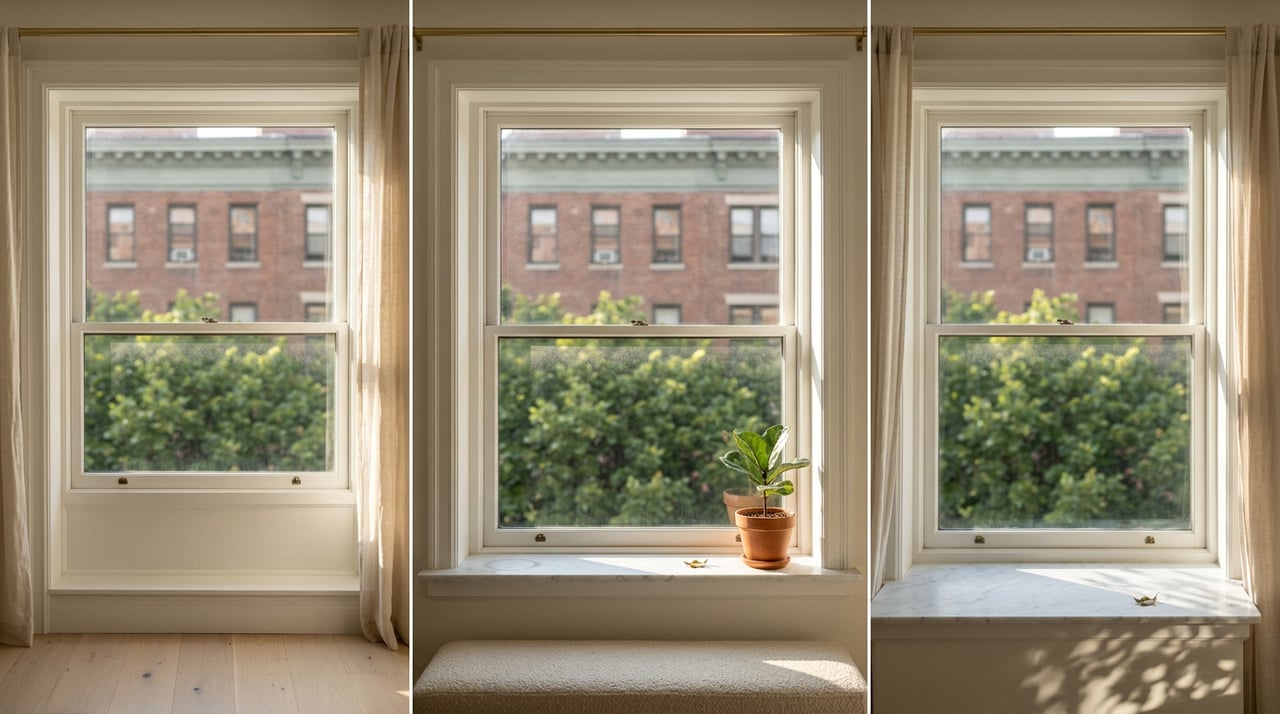
- Open window coverings for showings and photography
These updates are usually practical, affordable, and highly visible.
Declutter and stage the right rooms
If your goal is to help buyers picture themselves living in your home, decluttering and staging can have real value. According to NAR’s 2025 staging report, 83% of buyers’ agents said staging made it easier for buyers to visualize a property as their future home. The same report found that 49% of sellers’ agents saw faster sales, and 29% reported a 1% to 10% increase in the dollar value offered.
That does not always mean full-service staging throughout the entire house. In many Graduate Hospital rowhomes, selective staging and careful editing can do the job.
Stage the rooms buyers notice most
NAR reports that the most commonly staged rooms are:
- Living room
- Primary bedroom
- Dining room
- Kitchen
For a rowhome seller, that list is useful because it mirrors how many buyers experience the home. They notice the main living level first, then the kitchen, then the primary spaces where comfort and function matter most.
Decluttering can make rooms feel bigger
In attached homes with narrower layouts, extra furniture and personal items can make the space feel tighter than it really is. Cleaning and decluttering are among the most common seller improvements for a reason. They reduce distraction and help buyers understand the room dimensions more clearly.
Even simple steps can help:
- Remove oversized furniture
- Clear kitchen counters
- Reduce shelf and tabletop items
- Organize closets
- Store pet items, cords, and small daily clutter
The goal is not to make the home feel empty. It is to make it feel easy to understand.
Refresh kitchens and baths, but keep it minor
If you are deciding whether to renovate before listing, this is where a lot of sellers overspend. In Philadelphia, the numbers strongly suggest that minor kitchen and bath refreshes tend to make more sense than major overhauls when resale is the goal.
The 2025 Philadelphia Cost vs. Value report shows a midrange minor kitchen remodel recouping 113%, while a midrange bath remodel recoups 72.8%. By contrast, major kitchen remodels, upscale bath remodels, and additions recover much less.
Smart kitchen updates
In many Graduate Hospital rowhomes, kitchens are compact, so buyers often respond more to cleanliness, function, and finish consistency than square footage. You do not necessarily need to gut the space to improve how it reads.
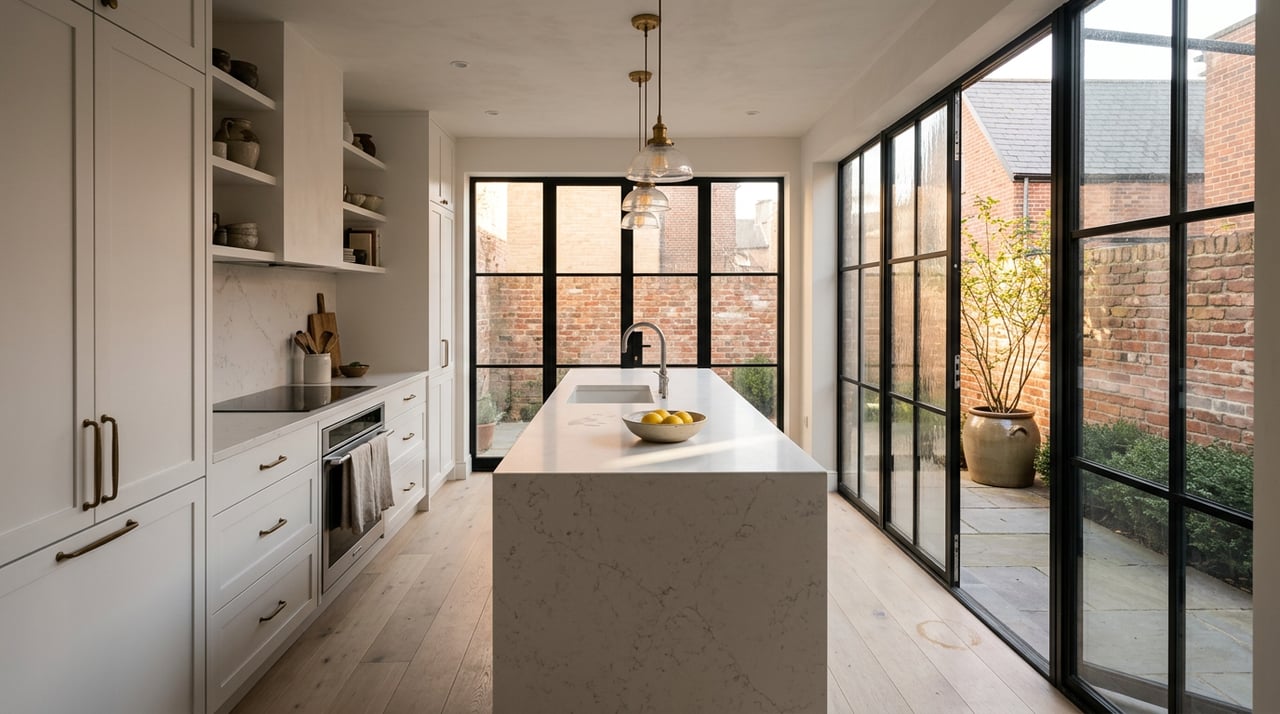
Often, the best pre-listing kitchen updates include:
- Cabinet hardware replacement
- Fresh cabinet paint or refacing, if appropriate
- Updated faucet
- Countertop improvements
- New light fixtures or pendants
- Deep cleaning, including grout and appliances
Smart bathroom updates
Bathrooms matter, but they are also expensive rooms to fully remodel. The city’s rowhouse manual notes that bathrooms cost more per square foot than any other room, which is another reason to stay focused on practical, visible improvements.
Before listing, consider targeted updates like:
- Re-caulking tubs or showers
- Regrouting tile where needed
- Replacing mirrors or light fixtures
- Updating faucets or hardware
- Improving ventilation
- Deep cleaning all surfaces
These changes can make the room feel fresher without the cost and disruption of a major renovation.
What to skip before listing
Not every improvement is worth doing right before you sell. If the goal is to maximize your return, the Philadelphia data suggests caution with large, expensive projects.
The same Cost vs. Value report shows lower resale recovery for major kitchen remodels, upscale bath remodels, bathroom additions, and primary suite additions. In many cases, it is more effective to repair what is tired, improve what buyers see first, and avoid overbuilding for the block or price point.
A better pre-listing mindset
For Graduate Hospital rowhomes, the strongest strategy is often not reinvention. It is refinement. The rowhouse manual supports a repair-first, preservation-minded approach that focuses on paint, light, fit, and upkeep rather than changing everything.
That usually means you should:
- Fix obvious maintenance issues
- Improve first impressions
- Brighten dark areas
- Refresh kitchens and baths selectively
- Avoid major projects unless a specific defect is hurting marketability
If cash flow is the issue, consider Concierge
Sometimes sellers know what their home needs, but they do not want to pay for the work upfront. That is where Compass Concierge can be useful.
Compass says Concierge can cover approved pre-listing services such as staging, deep-cleaning, decluttering, interior and exterior painting, flooring repair, kitchen improvements, bathroom improvements, and many other services. Sellers pay nothing upfront and repay the amount when the home sells, the listing ends, or 12 months pass. Program terms vary by market, credit approval and underwriting through Notable apply, and Compass states there is no guarantee or warranty of results.
For many Graduate Hospital sellers, that can be a practical way to move forward with the kinds of light-touch updates that appear most likely to pay off.
A practical update plan for sellers
If you want to keep your prep plan focused, here is a smart order of operations for many Graduate Hospital rowhomes:
- Repair the front entry, stoop, railings, and exterior light
- Paint walls in light, neutral colors where needed
- Improve lighting in darker rooms and hallways
- Deep clean the entire home
- Declutter and edit furniture
- Stage or lightly style the living room, primary bedroom, dining area, and kitchen
- Make minor kitchen and bathroom refreshes
- Use a program like Concierge if upfront cost is the main hurdle
The right list will vary by property, but this approach helps you focus on high-visibility improvements first.
When you are preparing a Graduate Hospital rowhome for sale, the best updates are usually the ones that remove friction for buyers. A brighter interior, a cleaner front entry, and a polished presentation can help your home feel more move-in ready without forcing you into a major renovation. If you want a calm, data-driven plan tailored to your block, price point, and timeline, connect with The Josh Allen Team to map out the smartest pre-listing strategy for your home.
FAQs
What pre-listing updates matter most for Graduate Hospital rowhomes?
- The most impactful updates are often exterior touch-ups, neutral paint, better lighting, decluttering, staging in key rooms, and minor kitchen or bathroom refreshes.
Should you renovate a kitchen before selling a Graduate Hospital rowhome?
- Philadelphia data suggests a minor kitchen remodel typically makes more sense than a major renovation when you are preparing to sell.
Why is lighting so important in Philadelphia rowhomes?
- The City of Philadelphia’s rowhouse manual notes that rowhouses can feel dark, especially on lower floors and in the center of the home, so lighting improvements can make the space feel more open and appealing.
Is staging worth it when selling a home in Graduate Hospital?
- NAR’s 2025 staging report says staging helped buyers visualize the home, and many agents reported faster sales and stronger offers for staged homes.
How does Compass Concierge work for Philadelphia home sellers?
- Compass says Concierge can cover approved pre-listing services with no upfront payment, and the balance is typically repaid when the home sells, the listing ends, or 12 months pass, subject to program terms and underwriting.