
If you are shopping in Fishtown, two homes with the same price tag can offer very different value. One may be brand-new with a roof deck and parking, while another may be a full rehab that looks just as polished but comes with a very different paper trail. Knowing how to compare the two can help you avoid surprises, protect your budget, and buy with more confidence. Let’s dive in.
Why Fishtown needs a closer look
Fishtown sits northeast of Center City and has changed quickly over the years, blending historic rowhomes, former industrial buildings, and newer infill development. It is also well connected by the Market-Frankford Line, with access at Girard and Berks. That mix gives buyers a lot of options, but it also means value can shift from one block to the next.
Current market snapshots show pricing that sits above many citywide norms. Zillow reports an average home value of $383,665, Redfin reports a median sale price of $458K, and Realtor.com shows a median list price of $554K. Homes are also moving in about 35 to 45 days depending on the source, so buyers often need to balance speed with careful due diligence.
New construction vs. rehab
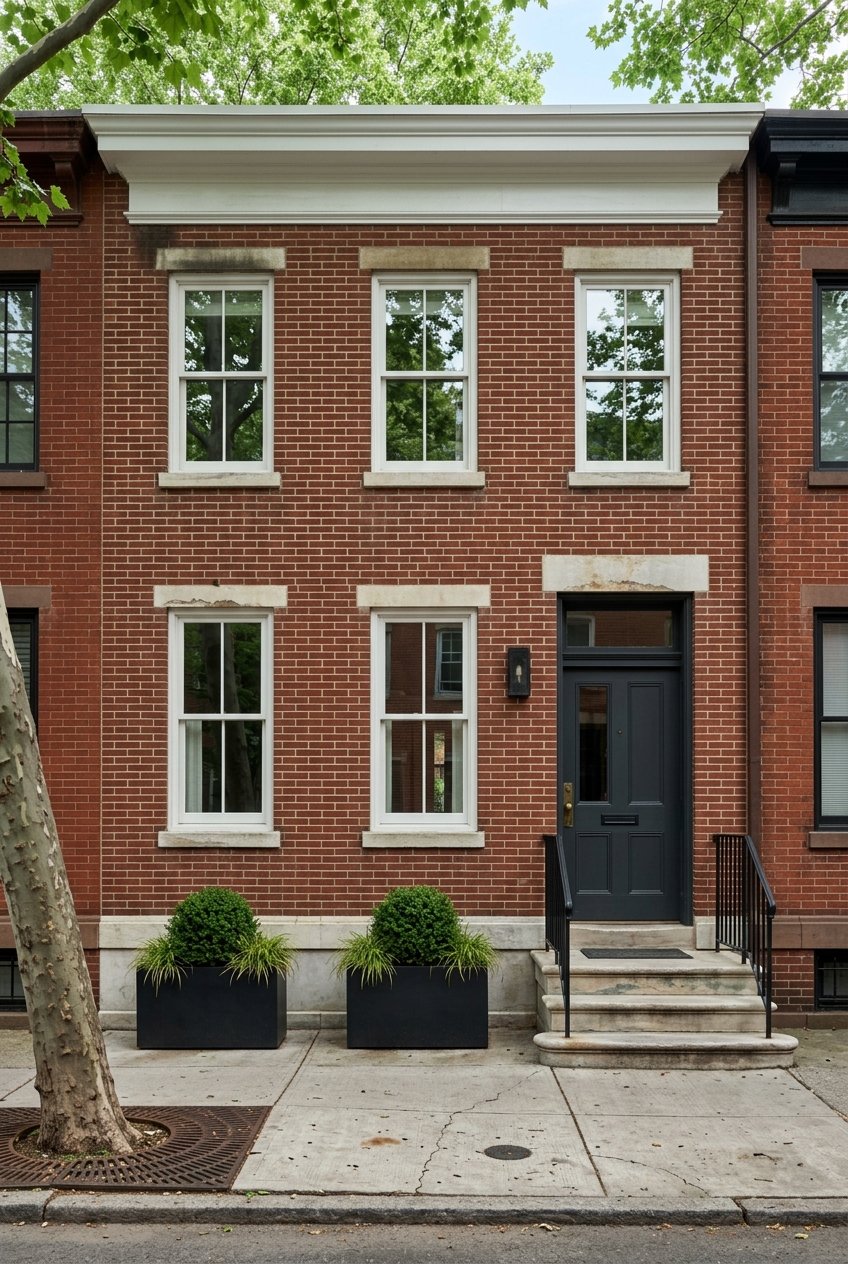
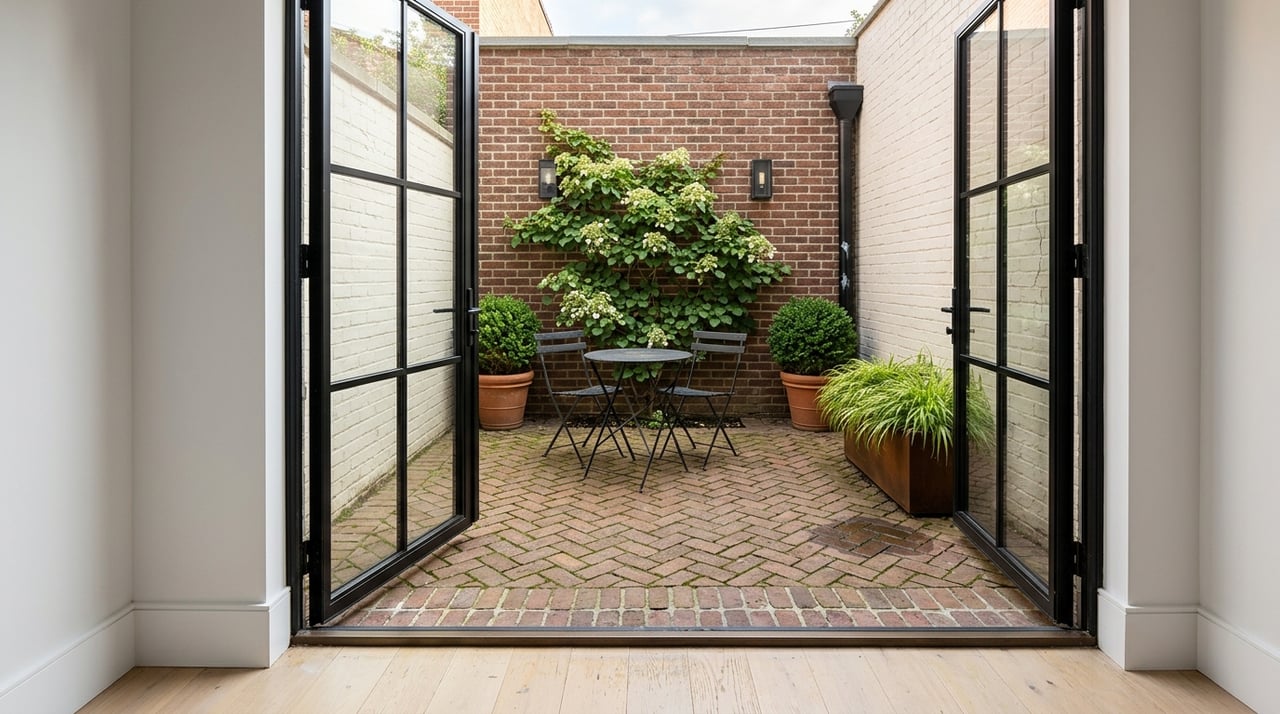
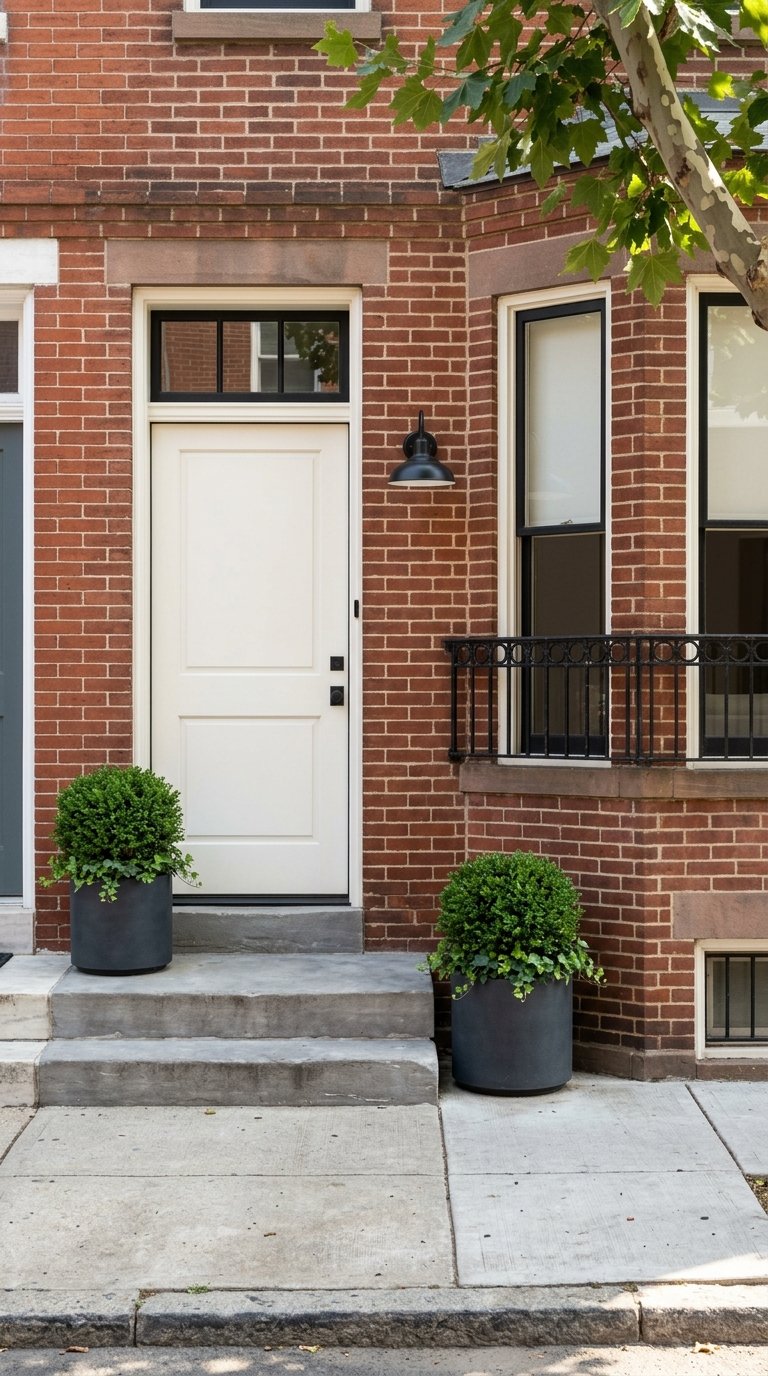
At a glance, new construction and rehabs in Fishtown can look very similar. Many listings on both sides feature open main floors, modern kitchens, finished basements, roof decks or balconies, and sometimes garage or off-street parking. That is why the details behind the walls and in the file matter so much.
What counts as new construction
In Fishtown, new construction commonly includes three- to four-bedroom layouts, open-concept living spaces, stone or granite counters, stainless appliances, and a modern finish package. Active inventory can range from the low $400,000s to well above $1 million. Price differences often come down to lot size, parking, finish level, and overall scale.
For buyers, the biggest advantage of true new construction is that everything is expected to be newly built. That can affect maintenance expectations, warranty coverage, and in some cases financing and appraisal conversations. It can also make the property more appealing if you want a turnkey home with fewer near-term projects.
What counts as a full rehab
A rehab can be more nuanced. Fannie Mae notes that a home can be updated or remodeled without being the same as new construction, even if the finishes look fresh. A recently and completely renovated home may be treated more like new construction when nearly all components are new or recently repaired, but the term “fully renovated” is not standardized.
That matters in Fishtown because some rehabs are close to gut renovations, while others are more cosmetic. Two homes may both market themselves as renovated, but one may have brand-new systems and another may keep major older components. As a buyer, you want to understand exactly what was replaced, repaired, or left in place.
Features you will often see
Whether you are looking at a new build or a rehab, Fishtown inventory often highlights a similar set of lifestyle features. These can drive both price and resale appeal.
- Open-concept main living areas
- Three- or four-bedroom layouts
- Finished basements
- Roof decks or balconies
- Garage or off-street parking
- Modern kitchens with stone or granite counters
- Stainless steel appliances
These features can make a home feel competitive in the neighborhood, but they should not distract you from the fundamentals. Quality of work, legal approvals, tax treatment, and the condition of major systems still deserve the closest review.
Why the specific block matters
In Fishtown, buying by neighborhood name alone is not enough. The immediate block can affect your day-to-day experience and your long-term value more than the ZIP code headline.
A single street can include historic homes, infill construction, vacant lots, and recent rehabs side by side. That is why buyers should look closely at nearby completed homes, adjacent vacant parcels, and how much of the block is still changing. In a neighborhood evolving this quickly, local context matters at the address level.
Verify the builder or contractor
One of the smartest steps you can take is to verify the specific builder or contractor behind the property. You should not assume a project matches the quality of nearby homes just because it looks similar online.
Philadelphia offers a contractor lookup tool that lets you check active licenses and licensing violations. The city also recommends checking references, getting more than one bid, and looking into complaints. Even if the finishes look high-end, a little background work can help you separate strong execution from a quick flip.
Rehab projects and Pennsylvania rules
For rehab work on existing one- or two-family homes, Pennsylvania’s Home Improvement Consumer Protection Act applies. The Pennsylvania Attorney General’s guidance makes clear that new home construction is not considered a home improvement under that law. That distinction is helpful when you are trying to understand how a project was categorized and what rules may apply.
Permits and occupancy documents matter
In Philadelphia, one- or two-family new construction requires a combination permit. Some projects also require special inspections by a third-party agency. For new construction, a Certificate of Occupancy is required and shows the building is safe to occupy.
These documents are important, but they are only the starting point. They do not replace your own due diligence, and they do not answer every question about workmanship or future maintenance. You still want to understand who did the work, what was approved, and whether anything stands out in the property’s permit or violation history.
Inspections are not one-size-fits-all
Buyers often assume a new build needs less inspection than a resale home. In reality, the inspection strategy can be different, not smaller.
ASHI notes that pre-drywall or phased inspections can be especially useful for new construction because drywall can hide construction issues. These inspections are typically timed after foundation, framing, rough mechanicals, windows, and exterior doors are in place. The final inspection then works much like a standard home inspection.
ASHI also notes that standard home inspections are visual, and that radon testing and sewer lateral scans are outside the normal scope. The EPA recommends testing all homes for radon, including newly built homes, and buyers should confirm whether radon-resistant features were used. For many Fishtown buyers, that means building an inspection plan that goes beyond the standard checklist.
Read the warranty closely
Builder warranties can offer real value, but the details matter. The FTC says most newly built homes come with a builder warranty covering permanent components, often including about one year for workmanship and materials, two years for HVAC, plumbing, and electrical systems, and in some cases up to 10 years for major structural defects.
You should also understand how claims are handled. Warranty requests are often tied to written notice, mediation, or arbitration. If you are comparing two homes and one includes a clearer, more organized warranty package, that can be a meaningful advantage.
Appraisals can get tricky
Fishtown’s mix of one-off infill homes and gut rehabs can create appraisal friction. Fannie Mae requires appraisers to use comparable sales with similar physical and legal characteristics, generally closed within the last 12 months when possible. In a changing neighborhood, that is not always simple.
If a home has unusual features, limited direct comps, or pricing that pushes beyond nearby sales, the appraisal may need extra support. Fannie Mae also notes that appraisers must report visible issues like dampness, infestation, or abnormal settlement. If defects affect safety, soundness, or structural integrity, the appraisal may be subject to repairs or further inspection.
Tax abatement can change the math
Philadelphia’s tax abatements can materially affect affordability. The city offers a 10-year abatement for new residential construction and a 10-year abatement for residential rehab improvements. If a property advertises remaining abatement years, treat that as an important number to verify, not just a marketing bonus.
You will want to confirm how many years remain on the specific property and model what the tax bill could look like after the abatement ends. That can affect your monthly carrying cost now and your resale position later. In a neighborhood with a broad price range, this step can make your budget planning much more realistic.
A practical buyer checklist
When you compare new construction and rehabs in Fishtown, focus on both the home and the file behind it.
- Confirm whether the home is true new construction or a renovation
- Review permit and violation history for the address
- Verify the builder or contractor license status
- Ask what systems and components were replaced
- Check whether a Certificate of Occupancy is required and available
- Review any builder warranty terms in writing
- Consider phased inspections for new construction
- Add radon testing and consider a sewer lateral scan
- Confirm any tax abatement details and remaining years
- Study the immediate block, not just the neighborhood label
How to buy with confidence in Fishtown
The best Fishtown purchases usually come from a calm, organized process. You do not need to be scared of new construction or rehabs. You just need to know how to evaluate each property on its own merits.
That means looking past listing language and asking better questions. What was actually built or replaced? What permits and approvals are on file? How does the block feel today, and how might it change over time? When you answer those questions early, you give yourself a better chance of buying a home that fits both your lifestyle and your long-term goals.
If you are weighing a new build against a rehab in Fishtown, working with a team that understands block-by-block differences can make the process much easier. The Josh Allen Team offers calm, local guidance to help you compare options, spot the details that matter, and move forward with confidence.
FAQs
What is the difference between new construction and a full rehab in Fishtown?
- New construction is a newly built home, while a full rehab is an existing home that has been substantially renovated. In Fishtown, both can look similar, so you should verify what was actually replaced and what remains older.
What permits should buyers check for a Fishtown new construction home?
- In Philadelphia, one- or two-family new construction requires a combination permit, and new construction also requires a Certificate of Occupancy before occupancy.
Why do inspections matter for Fishtown new builds?
- New homes can still have hidden issues, and phased or pre-drywall inspections may help identify problems before finishes cover them up.
How does tax abatement affect Fishtown home costs?
- Philadelphia offers a 10-year tax abatement for new residential construction and a 10-year abatement for residential rehab improvements, so remaining abatement years can significantly affect your carrying costs.
Why is block-by-block research important in Fishtown?
- Fishtown changes quickly from one block to the next, so nearby vacant lots, completed projects, and permit or violation history can all affect value and future resale.