Thinking about buying a duplex or triplex in Fishtown? It is easy to see the appeal. The neighborhood offers strong visibility, steady renter interest, and a location that stands out within Philadelphia, but the numbers and the due diligence can be more nuanced than many buyers expect. In this guide, you will get a practical look at how multi-unit investing in Fishtown works, what to watch in the local housing stock, and which Philadelphia rules matter before you make an offer. Let’s dive in.
Why Fishtown attracts investors
Fishtown sits in Philadelphia’s River Wards, just northeast of Center City, and it has developed into one of the city’s more established urban submarkets. Current market figures show a median listing price of about $554,000, median rent of about $1,849 per month, 191 homes for sale, 159 rentals, and a median of 35 days on market. Homes are selling at roughly 99% of asking price, which points to an active market rather than a distressed one.
That matters if you are looking at multi-unit property as an investment. Fishtown is not a low-cost entry point where buyers typically chase high immediate yield. Instead, it tends to attract investors who value location, long-term demand, and the neighborhood’s stronger pricing position compared with many nearby areas.
Fishtown is a premium submarket
Compared with Philadelphia overall, Fishtown is priced much higher. The citywide median listing price is about $270,000, while Fishtown sits at $554,000. Median rent is also a bit higher in Fishtown than the citywide figure of about $1,750.
When you compare Fishtown with nearby submarkets, the picture becomes clearer. Fishtown is more expensive than West Kensington and Kensington, while Northern Liberties tends to be somewhat more expensive on both price and rent. For many buyers, that puts Fishtown in the category of a premium River Wards choice rather than a budget multifamily play.
What the numbers suggest
A rough gross rent yield screen using current median listing price and median rent puts Fishtown at about 4.0%. That compares with about 4.2% in Northern Liberties, about 6.5% in West Kensington, about 10.3% in Kensington, and about 7.8% citywide.
It is important to treat that as a simple screening tool, not a cap rate. It does not account for operating expenses, taxes, vacancy, repairs, or financing. Still, it gives you a quick sense of why Fishtown can feel tighter from a cash-flow perspective than lower-priced nearby neighborhoods.
Price growth has outpaced rent growth
One of the most important recent trends in Fishtown is the gap between price appreciation and rent movement. Median listing price is up 21.77% year over year, while median rent is down 2.43%. That combination can compress returns for buy-and-hold investors who are counting on strong current income.
In practical terms, this means you need to be disciplined. A deal may make more sense if it has value-add potential, a favorable acquisition basis, or financing advantages tied to owner occupancy. If not, the premium pricing can make the math harder to justify.
What multi-unit properties look like in Fishtown
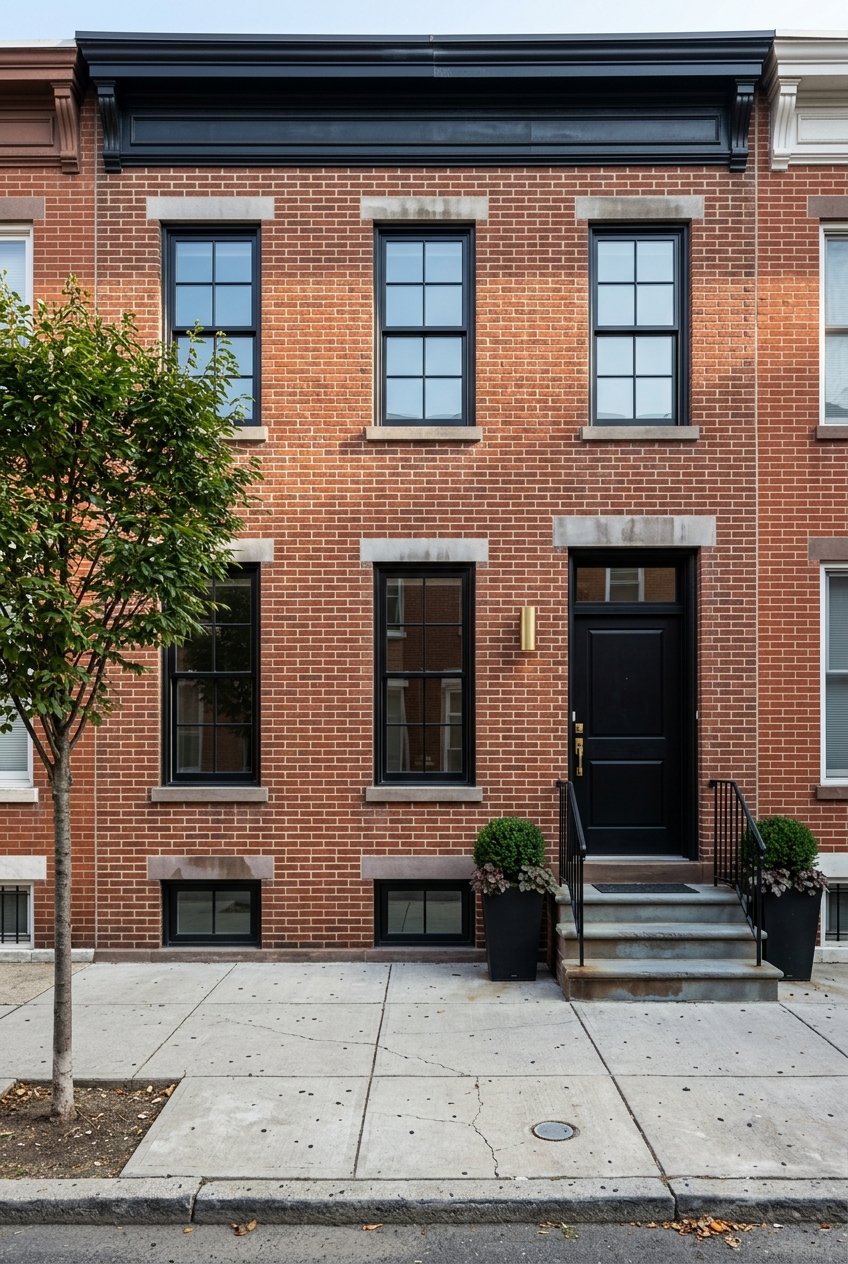
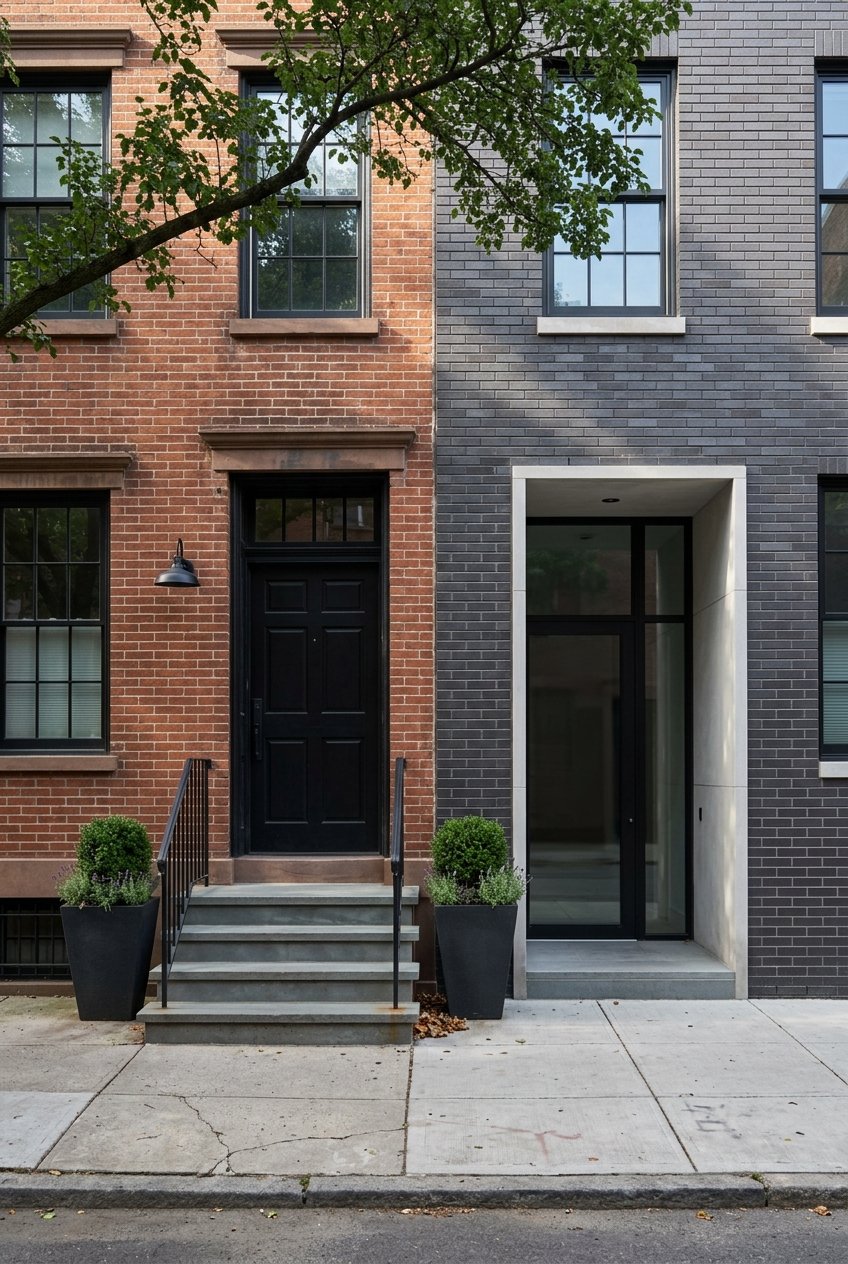
Philadelphia is a rowhouse city, and that shape matters a lot when you invest in Fishtown. City materials note that rowhouses outnumber all other housing types in Philadelphia, and a Fishtown study found that the predominant building type in the survey area was the rowhouse. Older examples included two-story rowhouses with roof dormers, while later three-story rowhouses became more common.
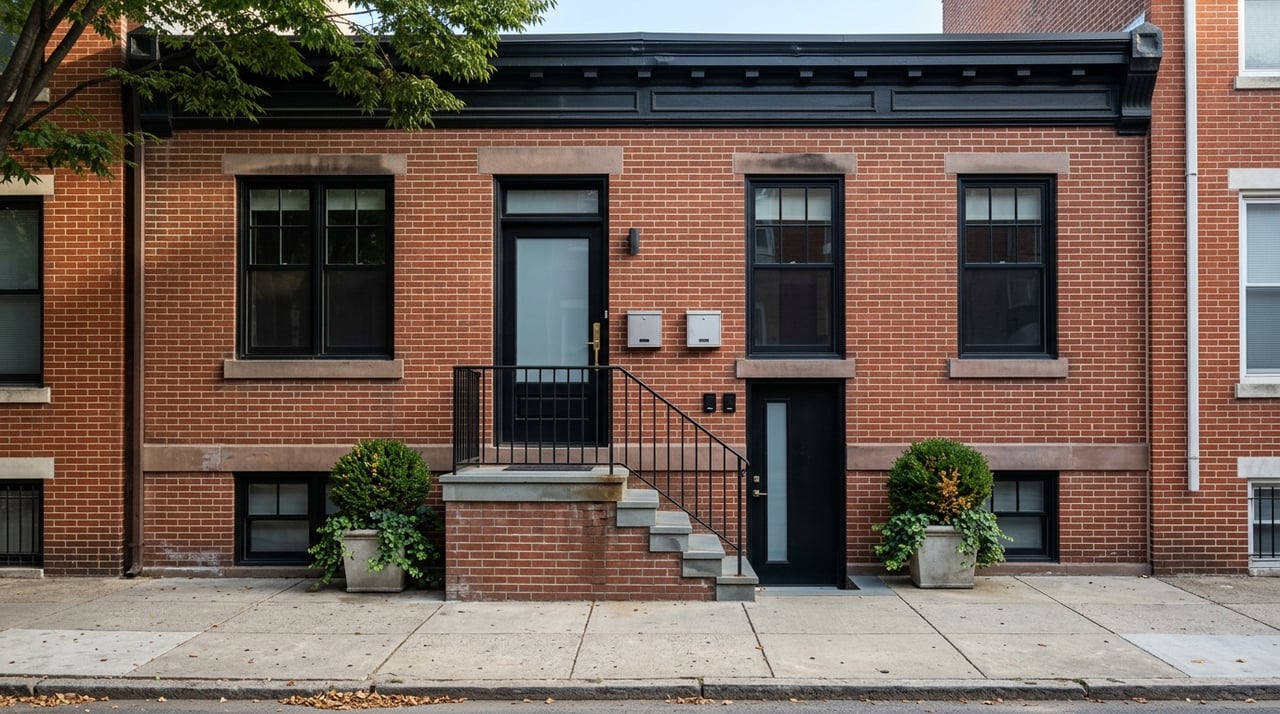
For investors, that means many duplex and triplex opportunities are likely to be older rowhouse conversions or small attached buildings rather than large purpose-built apartment buildings. That is not true in every case, but it is a useful lens when you walk properties and review layouts.
Why building form matters
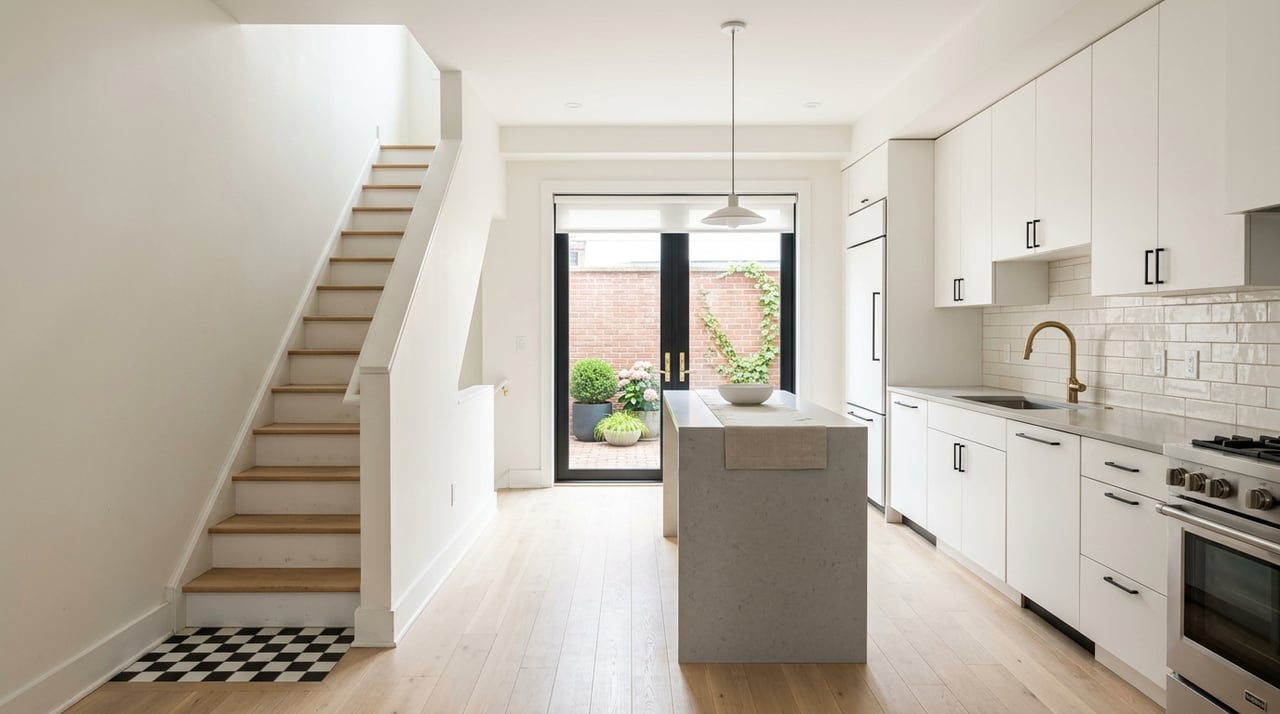
With smaller attached buildings, details matter. You may be looking at narrow frontage, older masonry construction, stairs that shape how units function, and layouts that evolved over time rather than being designed as multifamily from day one.
That can affect everything from renovation scope to unit flow to legal use. A property that looks like a duplex in practice is not the same thing as a property that is legally approved as a duplex. In Fishtown, that distinction is worth verifying early.
What drives renter demand in Fishtown
Fishtown’s renter appeal is about more than the building itself. The neighborhood is widely known for its restaurants, shops, galleries, entertainment, and music venues, all of which help support its identity as an active urban neighborhood.
For renters, that mix can be a meaningful part of the value proposition. It can also help explain why buyers continue to pay a premium for well-located properties, even when immediate yield looks thinner than in nearby areas.
Transit adds to the draw
Transit access is another factor supporting demand. SEPTA Route 15 runs along Girard Avenue and connects with the Market-Frankford Line at Front and Girard. That broader corridor improves access to Center City and strengthens the appeal of a walkable, transit-connected location.
If you are comparing Fishtown with car-dependent or less connected alternatives, this can matter. For many renters, convenience and neighborhood access carry real weight when choosing where to live.
Due diligence comes first
If you are buying a duplex or triplex in Fishtown, due diligence should go beyond the usual inspection and financing review. Before you close, confirm the property’s legal use in Atlas and review the city’s Property Search record. Philadelphia notes that zoning approval is required even if the owner occupies one unit.
Property Search can also help you review assessed value, building description, square footage, and sales history. These details can help you spot inconsistencies before they become expensive surprises.
Verify legal use and occupancy
Philadelphia requires proof that a rental is legal. That can include a Certificate of Occupancy, a qualifying prior rental-license record, or in limited pre-2000 situations, a zoning permit plus an Affidavit of Continuous Use.
A Certificate of Occupancy is required for new construction, additions, alterations affecting exits or fire ratings, and projects that change a building’s use or occupancy. If you are evaluating a converted rowhouse, this is one of the first areas to check.
Know the rental licensing rules
A Rental License is required to rent out dwelling units in Philadelphia. One license can cover all units in a single building, but separate buildings on the same property require separate licenses. The city also requires annual renewal.
If the owner lives out of town, Philadelphia requires a Philadelphia managing agent to be named. For out-of-state buyers especially, this is a key operational detail to understand before purchase.
Owner-occupant and investor rules differ
The city also draws a line between owner-occupants and non-owner-occupants in certain licensing steps. If you occupy the property and rent out three or fewer units, you only need an Activity License Number. If you do not occupy the property, or if the property has four or more rental units, you need a Commercial Activity License and a Business Income & Receipts Tax account.
This distinction can shape your strategy. If you are considering a house-hack duplex or triplex, your path may look different from a pure investment acquisition.
Lead compliance matters in older housing
Lead rules are especially relevant in Fishtown because much of the housing stock is older. Philadelphia requires properties built before March 1978 to be certified as lead-safe or lead-free before leasing.
Because so many small multifamily opportunities in Fishtown involve older rowhouse buildings, this issue comes up often. It is smart to factor lead compliance into both your timeline and your budget.
Underwrite taxes carefully
Philadelphia’s 2025 real estate tax rate is 1.3998%, with bills due March 31. In a neighborhood where purchase prices are relatively high, this tax burden should be treated as a core underwriting line item.
That is especially true if you are trying to make a tight cash-flow deal work. Even a property with strong rental demand can underperform your expectations if you underestimate fixed costs.
Use a conservative rent lens
Lenders commonly use only 75% of gross rent when they evaluate rental income, with the remaining 25% effectively reserved for vacancy and ongoing maintenance assumptions. Even if your actual lender approach varies, this is a useful mindset for your own underwriting.
In a market like Fishtown, conservative assumptions can keep you from overreaching. If the deal still looks solid after you account for vacancy, taxes, maintenance, and compliance costs, you are looking at a much stronger investment picture.
How to compare Fishtown with nearby areas
Your decision often comes down to priorities. If you want stronger immediate income, lower-priced nearby submarkets may show better screening yields. If you value a more established premium location and are comfortable with thinner initial cash flow, Fishtown may still fit your strategy.
That is why buyers should not evaluate Fishtown in isolation. You want to compare block by block rent potential, property condition, legal status, and total cost basis, not just the headline neighborhood name.
A smart buying approach in Fishtown
For many investors, the best opportunities in Fishtown come from buying with a clear plan. That might mean identifying a legacy rowhouse conversion with upside, pursuing an owner-occupied setup with more favorable financing, or avoiding properties where legality or compliance remains unclear.
The key is staying organized from the start. In a neighborhood with premium pricing, older building stock, and city-specific rental rules, small oversights can have a big effect on returns.
If you are considering a duplex or triplex in Fishtown, having local guidance can make the search and diligence process much smoother. The right support can help you compare opportunities realistically, verify the details that matter, and move with confidence in a competitive market. Connect with The Josh Allen Team for calm, informed guidance on Fishtown multi-unit opportunities and Philadelphia investment property decisions.
FAQs
What makes Fishtown different for multi-unit investing?
- Fishtown is a premium Philadelphia submarket with higher purchase prices, active buyer demand, and thinner rough gross yield than many nearby neighborhoods.
What types of multi-unit buildings are common in Fishtown?
- Many duplex and triplex opportunities are older rowhouse conversions or small attached buildings, which makes layout, legality, and renovation scope especially important to review.
What Philadelphia records should you check before buying a Fishtown duplex or triplex?
- You should confirm legal use in Atlas and review the city’s Property Search record for details like building description, square footage, assessed value, and sales history.
What license do you need to rent out a multi-unit property in Philadelphia?
- Philadelphia requires a Rental License to rent dwelling units, and the license must be renewed annually.
What lead rules apply to older Fishtown rental properties?
- If the property was built before March 1978, Philadelphia requires it to be certified as lead-safe or lead-free before leasing.
Is Fishtown a strong cash-flow market for investors?
- It can be a tighter cash-flow market because prices are high relative to rents, so many buyers need conservative underwriting and a clear strategy to make the numbers work.